
A genset alternator data sheet sets out what the generating end of a set can do, and this guide explains how we read one line at a time before a quotation goes out. Tesla Power treats the sheet as the part of the offer that decides whether the engine behind it can be used well, because two sets with the same engine behave differently once the alternator lines differ. We read the rated output beside the efficiency figure, the insulation class beside the temperature rise, and the sub-transient reactance beside the largest motor on the site. We read the phase and winding arrangement, the bearing arrangement and the enclosure class, and we write each figure into the offer with its basis. The sheet is a record rather than a promise, and it rewards a buyer who knows which line answers which question. The steps below collect the lines we read first, the worked figures a buyer can repeat, and the questions that separate a usable sheet from a price list.
- Read the rated output with the power factor beside it, because the kVA figure alone does not tell a buyer what the site can draw.
- Convert the rating before anything else: 500kVA × 0.8 power factor = 400kW, and the same step repeats on every sheet a supplier issues.
- Ask every bidder for the same sheet format, so two offers can be compared line for line, and keep the built frames behind the sheet open beside them.
- Keep the sheet with the site load record, so the alternator answer and the load answer stay on the same page.
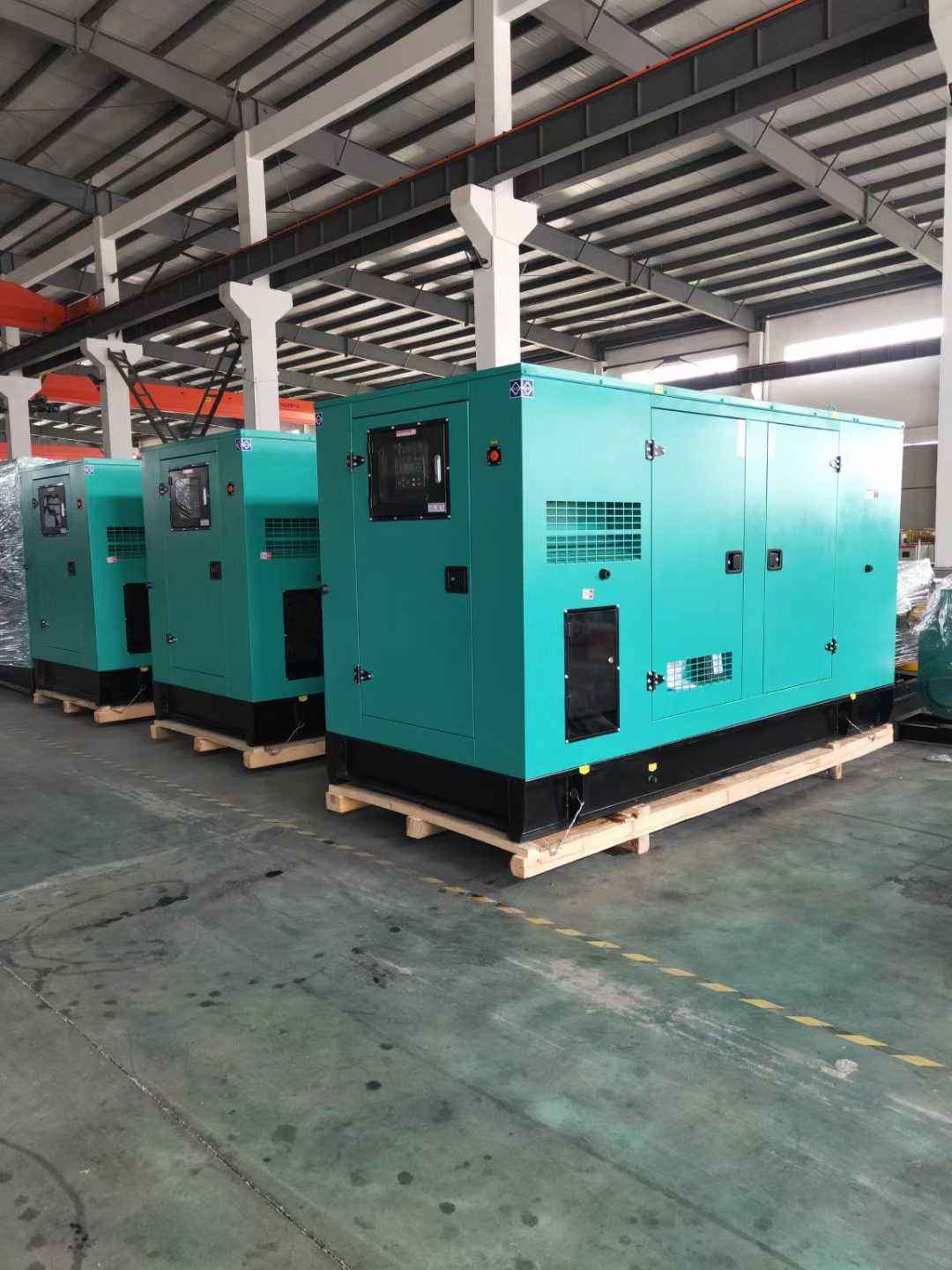
What does a genset alternator data sheet actually tell you?
The sheet describes the generating end, and it answers questions the engine data cannot. Rated output appears in kVA with the power factor beside it. Voltage, current, frequency and the winding arrangement follow. Insulation class and temperature rise sit in one block. Sub-transient reactance sits in another. Enclosure class and bearing type close the page. A buyer who reads only the first line has read a quarter of the document.
Each line narrows a decision the buyer has to make. The output line sizes the set against the load list. The rise class decides how hard the windings work at that load. The reactance figure decides how far the voltage dips when the largest motor starts. Tesla Power reads the sheet beside the site load record, because the two documents answer each other, and the pairing turns a price into a specification a reviewer can test.
Rated output and the efficiency line on the same sheet
Rated output is apparent power, and the efficiency line is a ratio measured at defined load points. The two figures share a page and do different work. The output line sizes the set. The efficiency line describes how much of the fuel the engine burns reaches the terminals at that load point, and sheets quote it at partial load as well as at full load, which is where a reading habit matters.
Read the pair together: 500kVA × 0.8 power factor = 400kW of usable output, 625kVA × 0.8 = 500kW, and 1250kVA × 0.8 = 1000kW on the larger frames. The arithmetic is the buyer's, not the supplier's. Tesla Power Equipment prints the conversion on the sheet for that reason, and the 500kVA set whose sheet carries both figures shows the same numbers beside the test record.
| Line on the sheet | What it tells the reader | What to ask the supplier |
|---|---|---|
| Rated output (kVA) | The apparent power the generating end carries | The power factor the figure assumes |
| Efficiency at load points | The ratio reached at 75% and 100% load | The test method and the load points used |
| Insulation class and rise | The winding limit and the rise budget | The rise figure at the site ambient |
| Sub-transient reactance | The dip a motor start will produce | The figure at the rated voltage |
| Enclosure class | The protection the shell gives the windings | The IP figure for the install site |
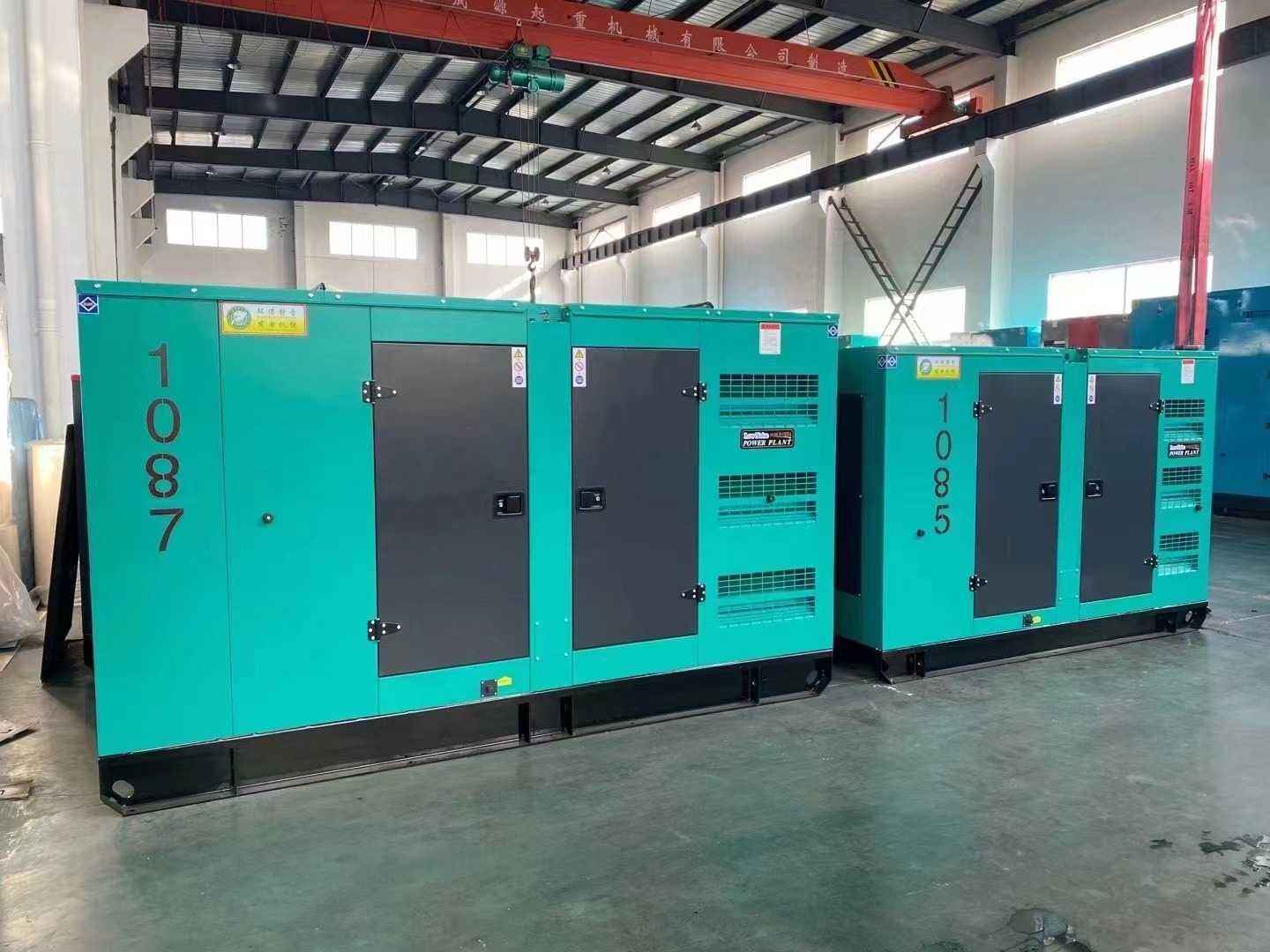
Which insulation class and temperature rise letters matter?
Class letters map to winding limits: insulation class F corresponds to 155 ℃ and H to 180 ℃, and the paired temperature rise figure tells the reader how much of that limit the design spends in service. A rise of 105K on an F winding leaves a margin a buyer can reason about. A rise of 125K on an H winding runs closer to the limit. The pair matters more than the letter alone, and two sheets with the same letter can spend the budget differently.
The duty class interacts with that budget, and the genset alternator for prime duty spends more hours near the load points than a standby frame does. Humidity and dust push the choice toward a lower rise. Tesla Power writes the class and the rise beside each other, and the works that writes the offer keeps the test data behind both lines. Ask for the pair and compare it as a pair.
Why does sub-transient reactance decide motor starts?
Sub-transient reactance is the figure that decides how far the terminal voltage dips in the first cycles of a motor start. A direct on line start draws about six times running current. On a 500kVA frame that step is met by the alternator, not by the engine. A reactance of 0.12 dips less than 0.18 at the same rating, and the difference shows on the lights. A tender that calls for a genset alternator for motor starts should carry the reactance line beside the rating.
An 80kW motor started direct on line pulls the terminal voltage hard for a second or two. Tesla Power states the reactance figure on the sheet at rated voltage, and the 400kW frame sheet with the reactance line carries it beside the starting data. Compare two sheets at the same rating, because reactance falls as frame size rises and the comparison has to be like for like.
Phase, winding and voltage lines worth a comparison
The phase and winding block reads quickly, and it repays a slow read on any export order. Most export sets are three phase, four wire, star connected, rated 230/400V at 50Hz. A winding pitch of two thirds damps the harmonics that a site with drives produces. Reconnectable windings cover 50Hz and 60Hz sites with the same sheet, and the voltage options sit in the same block. Yangzhou Tesla Power fills these lines for the destination grid before the offer is priced, because a sheet quoted for the wrong grid has to be reissued.
The lines to compare between two sheets are the connection, the pitch and the voltage options. A set quoted star only cannot be reconnected for a 60Hz site. A pitch of two thirds costs little at order time and shows up later as cleaner power for the loads a tenant adds. Write the destination grid and the frequency into the enquiry, and the block fills itself.
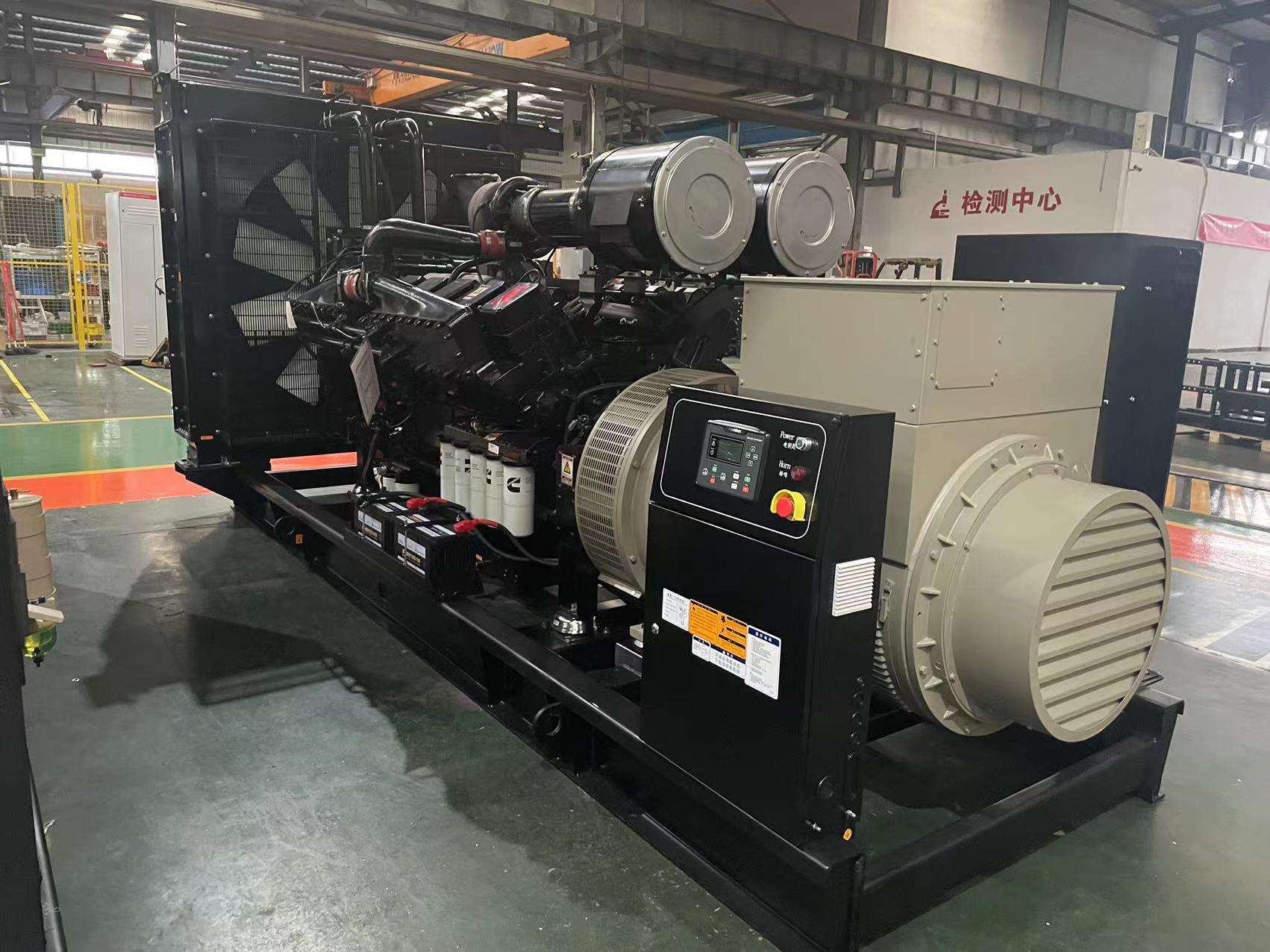
How the sheet reads on a humid coastal site
Enclosure class decides what reaches the windings. An IP23 shell sheds drips and keeps the airflow high, and an IP44 shell closes the machine against dust and spray at the cost of cooling air. Storage matters as much as rating, because genset alternator data in humid stores assumes the windings were kept dry, and an anti condensation heater keeps them that way between runs.
The bearing line closes the sheet. A single bearing set couples the alternator to the engine through an SAE housing, and a two bearing set takes its own coupling. Sites with large variable frequency drives need an insulated bearing against shaft currents, and the sheet states which arrangement is fitted. Tesla Power marks the IP class and the bearing type on the same line, so the enclosure question and the mechanical question are read together.
Which lines should you compare between two sheets?
Compare the basis before the numbers. The duty class should follow the rating classes named in the rating classes named in ISO 8528-1, the rise class should match the ambient, and the reactance figures should be quoted at the same rating. Sheets from genset manufacturers in china often follow GB/T 2820 while European sheets quote the IEC 60034 method, and IEC 60034 temperature rise limits sit close to the GB values line by line.
Most Chinese genset suppliers issue the sheet on request and quote the rise class beside the rating, and the ones who quote from a catalogue leave the basis out. Read both sheets for the same four lines: duty class, rise, reactance and enclosure. A difference in any of the four changes the offer more than a difference in price, and the sheet is where that difference is written down.
The comparison ends where the documents end. A supplier who issues a sheet with the basis filled in can be compared with a second supplier. One who answers with a rating and a price can only be compared on price. Send the site record to the desk that issues the sheet set, and the reply comes back as a sheet with the basis written in. Tesla Power answers in that format because the four lines travel together.
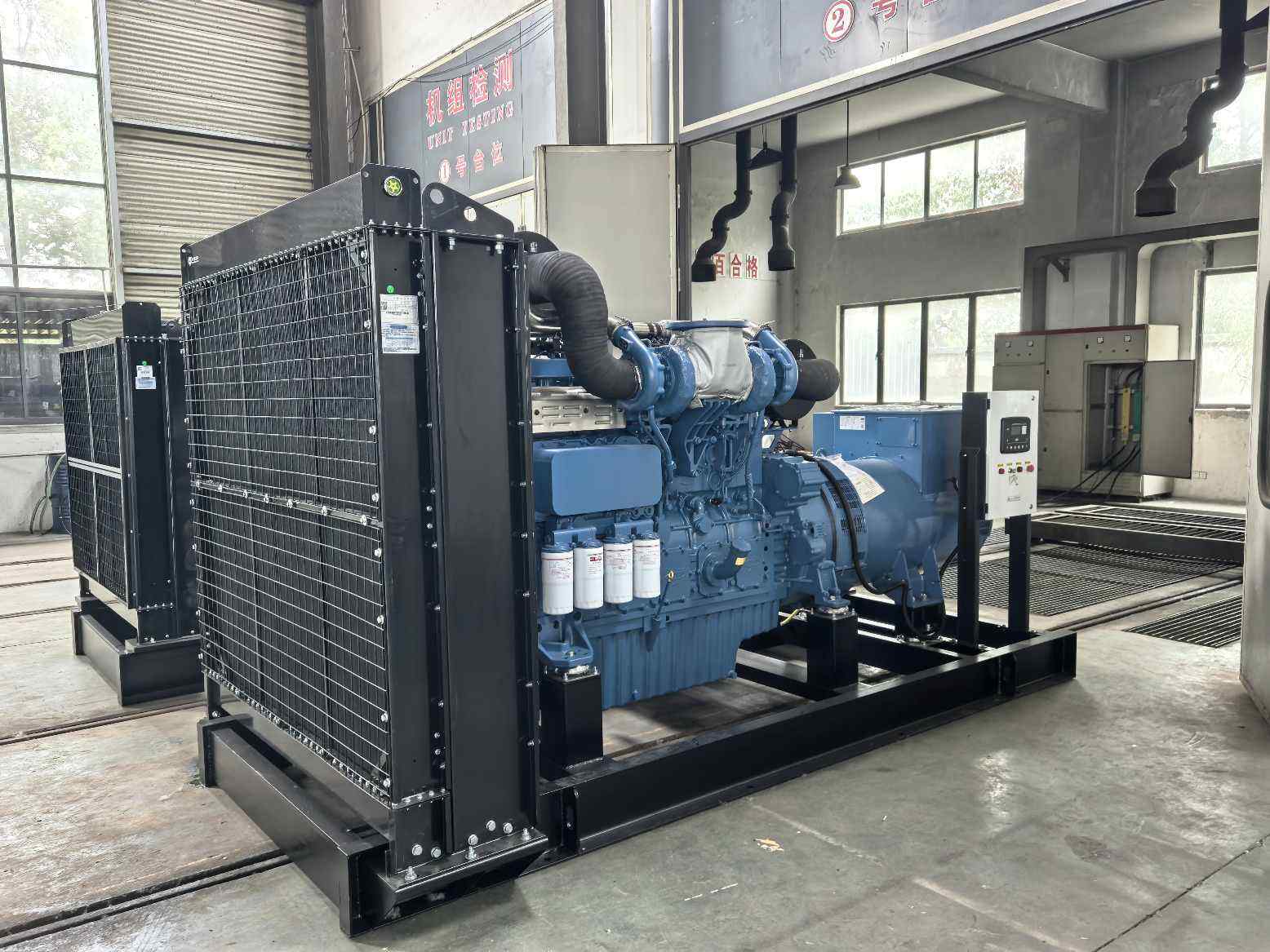
Records a buyer should keep with the sheet
Three records travel with the sheet in a well run file. The sheet as issued, with the basis written beside the figures. The factory test report, which reads the figures back at the load points. The winding resistance record, which gives the service crew a baseline. Conformity assessment for the genset starts from these pages, and a buyer who keeps the set answers the port inspector before the question is asked.
The sheet also belongs beside the load study, because the profile and the alternator answer each other. The load profile companion article sets out how that record is built. Tesla Power Equipment issues the sheet, the test report and the resistance record with every export order, so the file a buyer keeps is the file the works wrote.
Frequently asked questions about the genset alternator data sheet
It describes the machine at defined load points, and the site bill follows the load profile as much as the ratio. Two sets with the same figure can burn differently on a site that runs at half load most of the day. Read the figure at the load points the site visits, then compare the sheets at those points.
The kVA line sizes the machine and the kW line sizes the engine behind it, with the power factor joining the two. Tesla Power quotes both beside the factor, so the arithmetic a buyer repeats is the arithmetic the works used. A sheet that shows one without the other is half a sheet.
Class F with a moderate rise is the usual choice, and class H where the ambient runs high. The coast adds humidity rather than heat, so the enclosure and the anti condensation heater carry more weight than the letter. Ask for the rise figure at the site ambient and read it beside the enclosure class.
A reconnectable winding covers both, and the sheet lists the voltage and frequency pairs in the winding block. The rating changes slightly between the two, so read the figure for the frequency the site uses rather than the higher of the two. The rest of the sheet keeps the same basis.
Most export frames quote between 0.10 and 0.15 at rated voltage, and the figure falls as frame size rises. The number matters at motor start, where a lower value dips less. Compare two sheets at the same rating, because the comparison stops meaning anything when the frames differ.
Because the letter is a limit and the rise is the design choice inside it. One design may spend the budget on output and another on margin, and both can carry the same letter. Read the rise figure, the load points and the ambient basis, and the difference between the two sheets becomes visible.
Send the load list, the largest motor on the site and the ambient the set will meet. Tesla Power fills the sheet from those three records and returns it with the basis written beside each figure. The quotation then reads as one document rather than as a price and a promise.