
A genset AVR problem rarely arrives alone: the module sits at the end of a chain of sensing leads, an exciter field and a residual magnetism circuit, and any of them can produce the same symptom at the terminals. The classic signs are voltage that hunts under a steady load, an output that sits flat at a low figure, or an excitation current that climbs while the load does not move. We diagnose the chain from the terminals inward, because a meter tells the truth faster than a parts counter does. Tesla Power reads every fault report beside the excitation file built for the order. Check the sensing leads first, then the field, then the residual figure, and only then condemn the module. Record the numbers at each step, because the figures turn a hunch into evidence a supplier can price against, and the quotation that returns answers the fault rather than the part number.
- Log the symptom before anything is removed: the voltage figure, the load and the frequency at the time, read beside the genset frames the factory builds.
- Check the sensing leads end to end before touching the module, since a loose terminal mimics a failed regulator.
- Measure the residual voltage at the exciter field with the set at rest, which separates a dead module from a dead field.
- Export the controller history, because a fault that appears only after a transfer is read from the event list, not from the terminals.
What does a genset AVR problem look like at the terminals?
Three symptoms cover most reports that reach our desk. The first is hunting: the voltage that hunts swings between figures several volts apart while the load and the engine speed stay still. The second is a flat output, where the terminals hold 380V on a 400V machine and the trim pot does nothing. The third is the opposite: the excitation runs high, the set builds 430V, and the breaker trips on overvoltage shortly after a start.
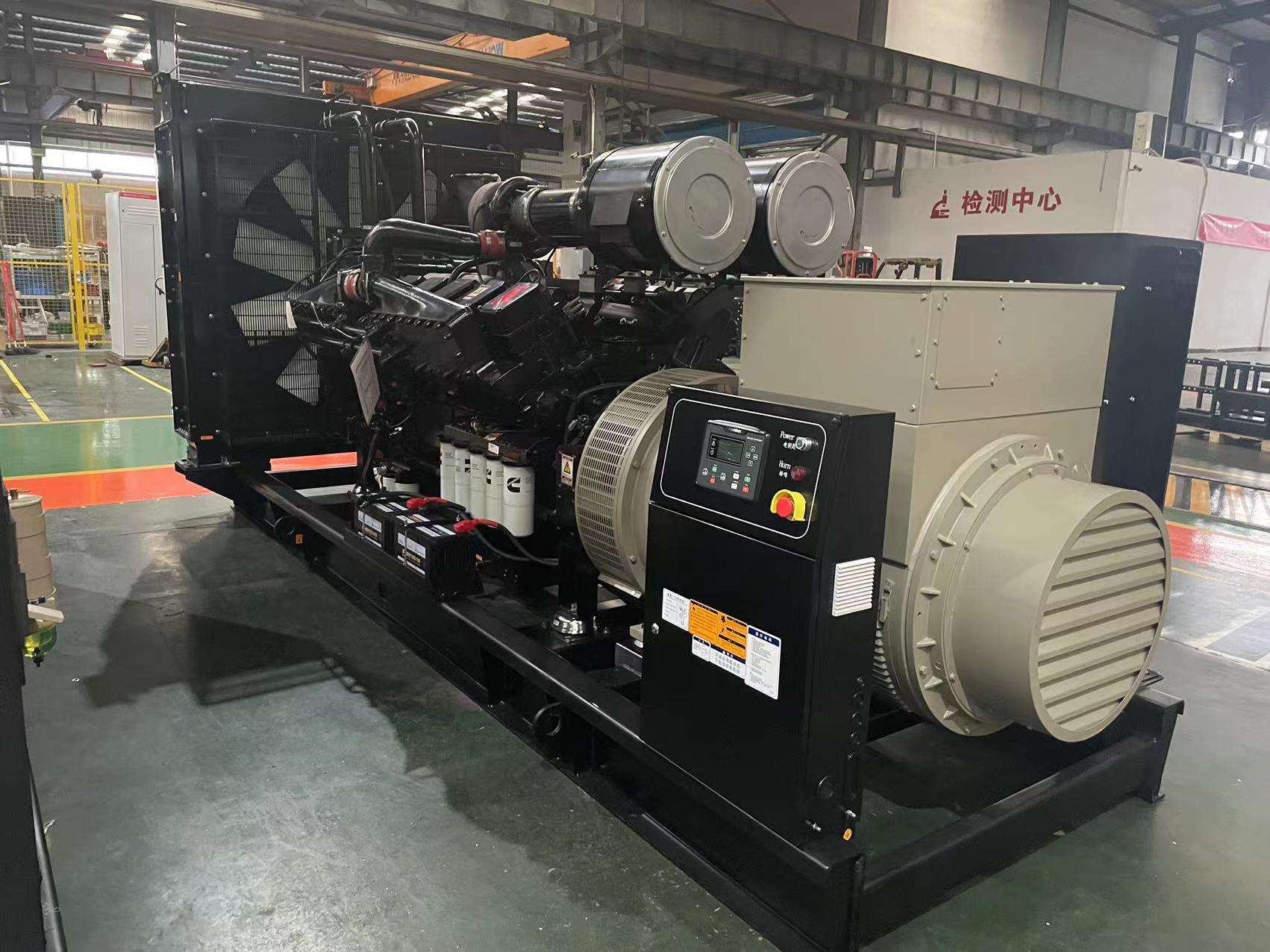
Each symptom points to a different layer. Hunting usually lives in the sensing circuit, a flat output usually lives in the field, and an overvoltage trip can live in either. The engine gets blamed first, because a voltage fault looks like a speed fault from the control room. Confirm the frequency before anything else: a set that holds 50Hz while the voltage drifts has an electrical fault, not a mechanical one. Tesla Power treats that frequency check as the gate for the whole ladder.
Which measurements isolate the AVR from its look-alikes?
Work down a four-step ladder and stop when a step fails. Step one, read the frequency at the terminals, which clears the engine inside a minute. Step two, check the sensing leads from the module to the terminal block for continuity and for tightness. Step three, measure the field resistance at the exciter and compare it with the figure on the data sheet. Step four, read the residual voltage, which shows whether the build-up path is intact.
Compare the steady figure against the ISO 8528-1 voltage classes before calling the output flat, because a set that holds inside its class band is not faulty at all. The class also fixes what counts as hunting, and the band is wider than most crews expect.
| Symptom | Measurement | What the figure says |
|---|---|---|
| Voltage hunts at steady load | Sensing lead continuity | Open or high: the circuit, not the module |
| Flat low output | Exciter field resistance | Far from the sheet figure: a field fault |
| No build-up after a rest | Residual voltage | Near zero: flash the field before ordering |
| Overvoltage trip | Output with leads isolated | Correct figure: the module is the last suspect |
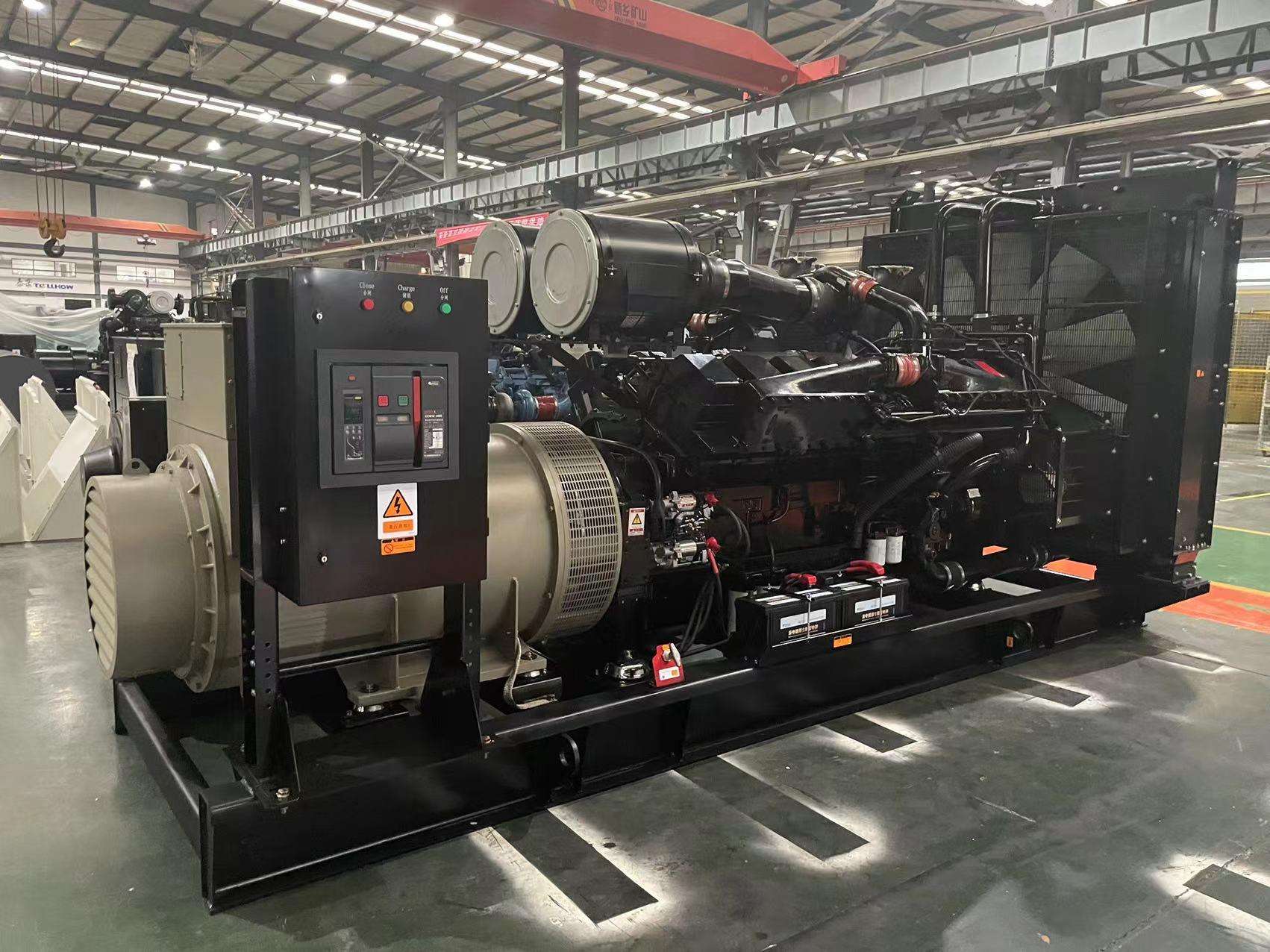
The ladder matters because each step costs less than the one after it. A sensing lead costs a terminal cleaner, a field costs a rewinding shop, and a module costs a purchase order plus a week of shipping. Most genset manufacturers quote a replacement by part number and leave the diagnosis to the site. Tesla Power Equipment keeps the excitation file for every frame it ships, so the site reads its meter figures against that file. The ATS adds a second sensing path on many installations, and the ATS panel handover checks name the point where the two paths meet.
How do sensing leads cause a genset AVR problem?
The module regulates the output from whatever the sensing leads report, so a lead fault is a false report rather than a failure. Four or six conductors run from the terminal box to the module, and every one of them passes through glands, terminals and a panel edge. Vibration works the terminals loose. Heat embrittles the insulation. A corroded joint adds resistance that the module reads as a sagging voltage.
A continuity test with the set at rest and the leads isolated at both ends gives a resistance figure per conductor. Anything above a fraction of an ohm per lead gets cleaned or replaced before the module is judged. Sites that skip the step order a spare, fit it, and meet the same symptom a week later, which is how one regulator fault becomes two shipments.
What should the controller log show before you order?
The controller holds the history a diagnosis needs, and exporting it takes minutes. Pull the voltage trace for the last ten starts, the excitation channel where one is fitted, the trip codes, and the hour counter beside each event. A set that hunts only after a transfer tells a different story from one that hunts from cold, and the NFPA 110 test log expectations explain why the monthly run belongs in the same file.
Put the numbers on the order beside the machine data. A 500kVA frame at 0.8 power factor = 400kW is the duty the alternator sheet assumes, and 400kVA × 0.8 = 320kW marks the smaller frame on the same basis. Two spare AVRs for every ten sets = a 20% float. A generic spare fits the socket and not the machine, and the 500kVA silent frame with the ATS cabinet ships with that figure on its file.
What does residual voltage tell you before a start?
Residual voltage is the figure the magnetism in the iron leaves behind, and a healthy machine holds a small figure at rest, commonly single digits on the exciter field. If the residual is present but the set will not build, the module or the field circuit is the suspect. If the residual is gone, no module will help until the field is flashed, and that is a ten minute job with a battery. Tesla Power flashes every field the same way before a module is judged.
The alternator sheet names the design figure, and the IEC 60034 rotating machine standards set the frame the sheet was written to. Record the residual beside the date, because a figure that fades across the year points at the field, while one that vanishes overnight points at a module that stopped exciting on the last stop.
How should a spare AVR be stocked on remote sites?
A spare that sits in the storeroom saves a season, and a spare that sits in a port saves nothing. Stock the module where the sets run rather than where the purchase was made, keep it in its anti-static bag away from the fuel store, and rotate the stock by the date on the box. Yangzhou Tesla Power Equipment marks each module with the sensing range it was set to before it leaves the works.
Match the spare to the alternator and controller combination, because two modules with the same socket behave differently on different sensing ranges. The 400kW and the smaller frames in the Weichai WP13 standby range share module families, which is why one labelled float covers several frames. A crew that fits a labelled spare finds the right terminals first, and a label costs less than an hour of troubleshooting in the dark.
When is the fault not the AVR at all?
Three look-alikes reach our desk as regulator faults every month. A rectifier diode in the alternator fails and the module is blamed for the sag. A speed governor hunts and the voltage follows the frequency, which reads as an AVR fault on a display that shows one channel at a time. A loose main terminal overheats, and the sensing circuit sees the drop long before the crew does.
A diode test at the rectifier takes ten minutes. A frequency trace beside the voltage trace separates a governor fault in one screen. An infrared spot check on the terminals finds the hot joint before the insulation does. Test the cheap items first, because the module is the most expensive guess on the board. Tesla Power reads the three look-alikes out of the file before a module order is raised.
From confirmation to the replacement order
The order that arrives with evidence ships correctly first time. A fault sheet that names the set, the alternator type, the sensing configuration, the residual figure and the field resistance needs no second exchange of messages. Where the report shows a field fault rather than a module fault, say so in the order, because the packing list changes: a module alone is lighter, cheaper and faster through customs than a module plus a rewound exciter. The evidence decides the box.
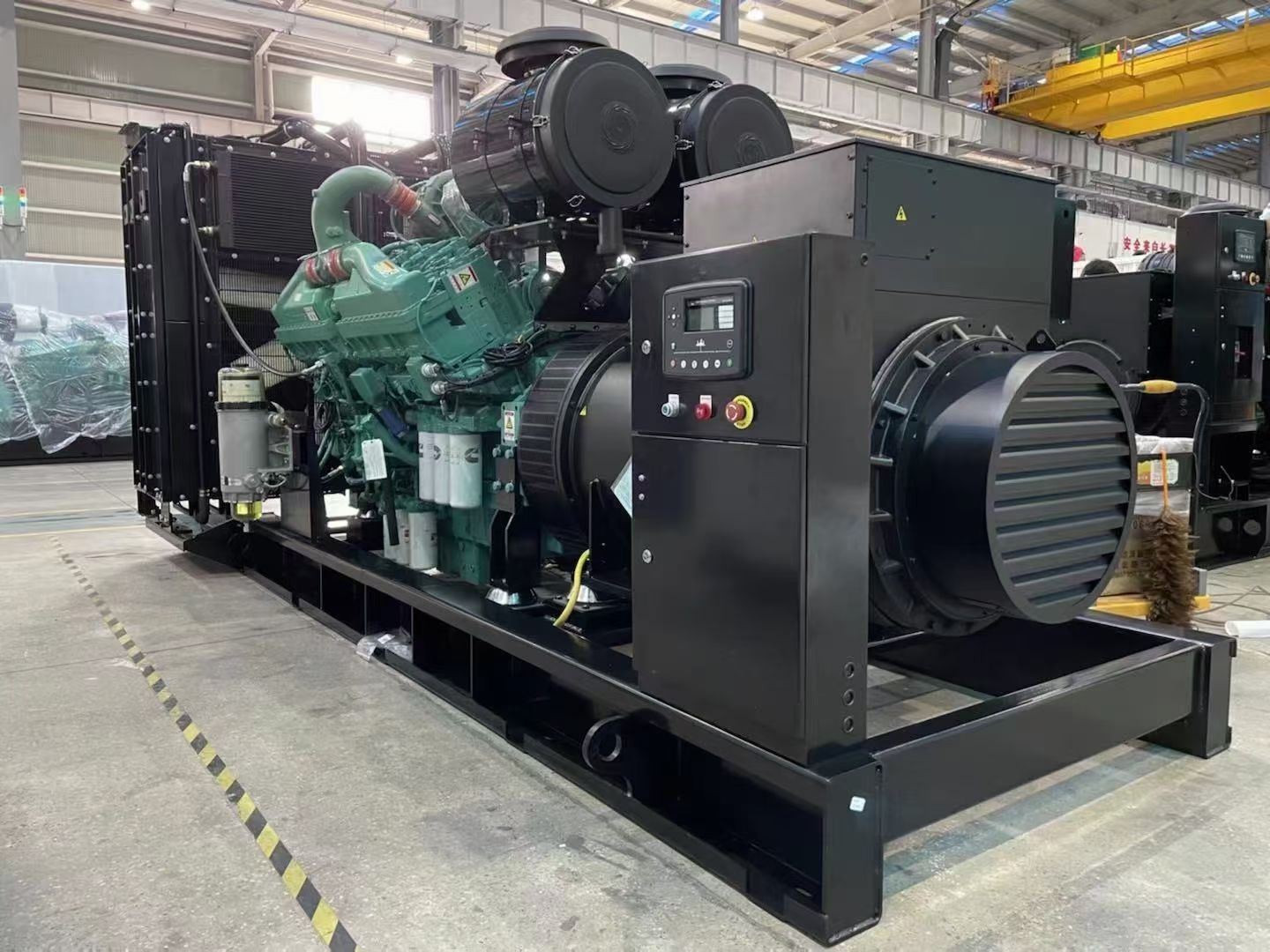
Chinese genset suppliers stock the common modules for the standard frames, so a confirmed fault on a standard build is usually a week away from a fix rather than a month. Tesla Power keeps the file for every frame it ships, and the file is what the spare is read against.
Send the traces and the meter figures to the service desk at the works, and the reply names the layer rather than the part. The file then becomes the genset documentation for export shipments, and a conformity assessment for the genset checks that the plate, the excitation file and the fitted module agree.
Frequently asked questions about the genset AVR problem
It can run briefly on residual excitation, but the output falls well below the plate figure and collapses under load. A genset AVR problem for standby sets usually shows at the monthly test rather than during a real outage, which is exactly why the monthly test exists. Treat the condition as a stop rather than a derate.
Most export machines hold a small single-digit figure at the exciter field with the set at rest. The exact number belongs on the alternator sheet, and the site records it at commissioning. A figure near zero after a long rest points at lost magnetism, which flashing the field restores.
Under load, the sensing circuit carries current and the module responds to what it reads. A corroded terminal that idles unnoticed becomes a live fault once the current flows. A genset AVR problem in hot climates shows the same signature sooner, because a genset in coastal air corrodes the sensing joints faster than a dry inland site does.
It can. A module set to the wrong sensing range overexcites the field, and the output rises past the insulation limit of the windings. Fit a spare whose range and configuration match the file for the order, and check the output figure at no load before the breaker closes.
There is no single figure, because heat and vibration set the pace. Modules on sets in hot plant rooms fail sooner than modules on ventilated sites, which is why the float stock matters on remote installations. A module that survives its first two annual tests usually serves until the overhaul.
A quotation built on evidence names the module, the sensing range, the excitation figure and the alternator it is matched to. Tesla Power answers those four lines against the file for the order, so the spare that ships is the spare the machine was built with, and the fault log a buyer keeps becomes the reference the next diagnosis starts from.