
A genset starter motor problem rarely presents as a burnt motor on the first visit. It presents as a click without a crank, a slow grind on a cold morning, or silence where the panel promised an automatic start, and each signature points at a different part of the cranking circuit. We diagnose that circuit in a fixed order at Tesla Power: the battery under load first, the cables and earth strap second, the solenoid third, and the motor last, because the motor is the most expensive guess on the list. Half of the no-start calls we read each month close at a terminal rather than at a motor. A set that cranks slowly on a corroded earth strap will pass a bench test the moment the motor leaves the chassis, and the fault returns the week after the spare is fitted. The ladder below keeps the diagnosis on the site, and it hands a supplier a recorded fault to compare against when you request a quotation for the repair.
- Match the symptom first: a single click, a slow crank and total silence isolate different components before any meter work starts.
- Test the battery and every cranking cable under load, because most no-crank calls end at a terminal rather than at the motor.
- Keep the event log beside the export frames in the genset range, so a supplier quotes against a recorded fault instead of a phone description.
What does a genset starter motor problem look like at the panel?
Three signatures cover almost every call. A single click without rotation means the solenoid pulled in and its main contacts either did not close or closed against a battery too weak to turn the engine. Rapid clicking is a chattering solenoid coil, which is a low supply voltage symptom rather than a coil fault. A slow, laboured crank with the panel lights dimming points at a battery losing voltage under load or at a motor dragging on worn bushes. Total silence means the start signal did not reach the solenoid, and the search opens at the controller output, the emergency stop and the interlock wiring instead of at the motor.
| Panel symptom | Where the fault sits | First check |
|---|---|---|
| Single click, no rotation | Solenoid contacts or battery capacity | Voltage at the solenoid feed during a crank |
| Rapid clicking | Low voltage at the coil | Battery voltage under a load test |
| Slow crank, dimming lights | Battery under capacity or dragging motor | Current draw against the engine spec sheet |
| Total silence | Start signal or safety interlock | Voltage on the solenoid coil wire |
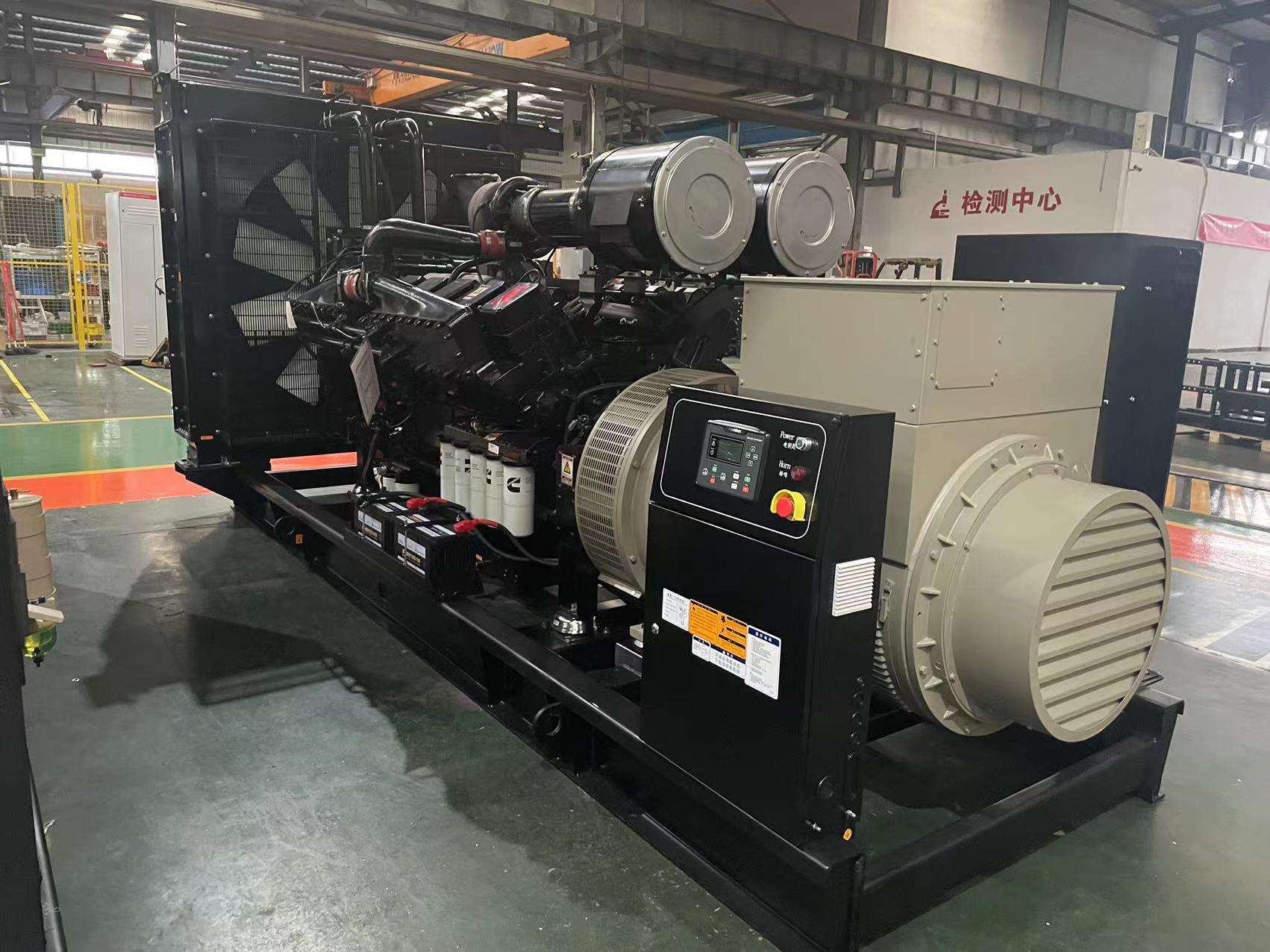
Which battery checks come before the starter motor?
The battery decides the outcome before the motor is even asked to turn. A 24V cranking system on an export set wires two 12V blocks in series, so two 12V blocks in series = 24V at the solenoid feed, and the same pair wired in parallel = 1800CCA when each block is rated at 900CCA. A meter reading taken at rest hides a weak block, because the surface charge pulls the figure back up within minutes of the last failed attempt.
The load test turns the guess into a figure. Hold the crank for five seconds with the meter on the terminals: a healthy pair holds above 19.2V under load, while a pair that falls below 18V under the same load has lost a cell or a plate. Compare the two blocks against each other, because a 0.5V gap between them at rest becomes a 2V gap under load, and the weaker block drags the whole circuit down with it.
Where the log shows repeated slow cranks, the capacity margin is the argument to take back to the supplier, and the sizing basis behind the standby power system notes supports it. A genset starter motor for standby sets is selected on the cold cranking figure rather than the warm one. Tesla Power Equipment ships the battery pair matched to the engine size on every export order, because an undersized pair produces exactly the symptom a motor replacement is bought to cure.
- A pair that holds 24V at rest can still fall below 18V on the first crank, so the figure that matters is the loaded one.
- Clean and re-torque every terminal before condemning the motor, because a resistive joint reads like a weak block.
- Record the loaded voltage beside the date, so the next slow crank has a baseline to be measured against.
Slow crank, single click or silence: what does each one isolate?
The slow crank isolates itself while it happens. Watch the panel lights during the attempt: lights that dim almost to black mean the battery is delivering everything it has and the engine still needs more, while lights that stay bright through a sluggish crank mean the current is not flowing, and the resistance sits in a cable, a terminal or the solenoid contacts.
The single click is the more precise clue of the two. A solenoid that clicks once and stops has received its signal and closed its contacts, so the coil, the start signal and the safety interlocks are proven at that moment. The remaining suspects are the main contact disc, the heavy cable from the battery to the solenoid, and the motor itself, and a voltage drop test across each joint during a crank splits them apart.
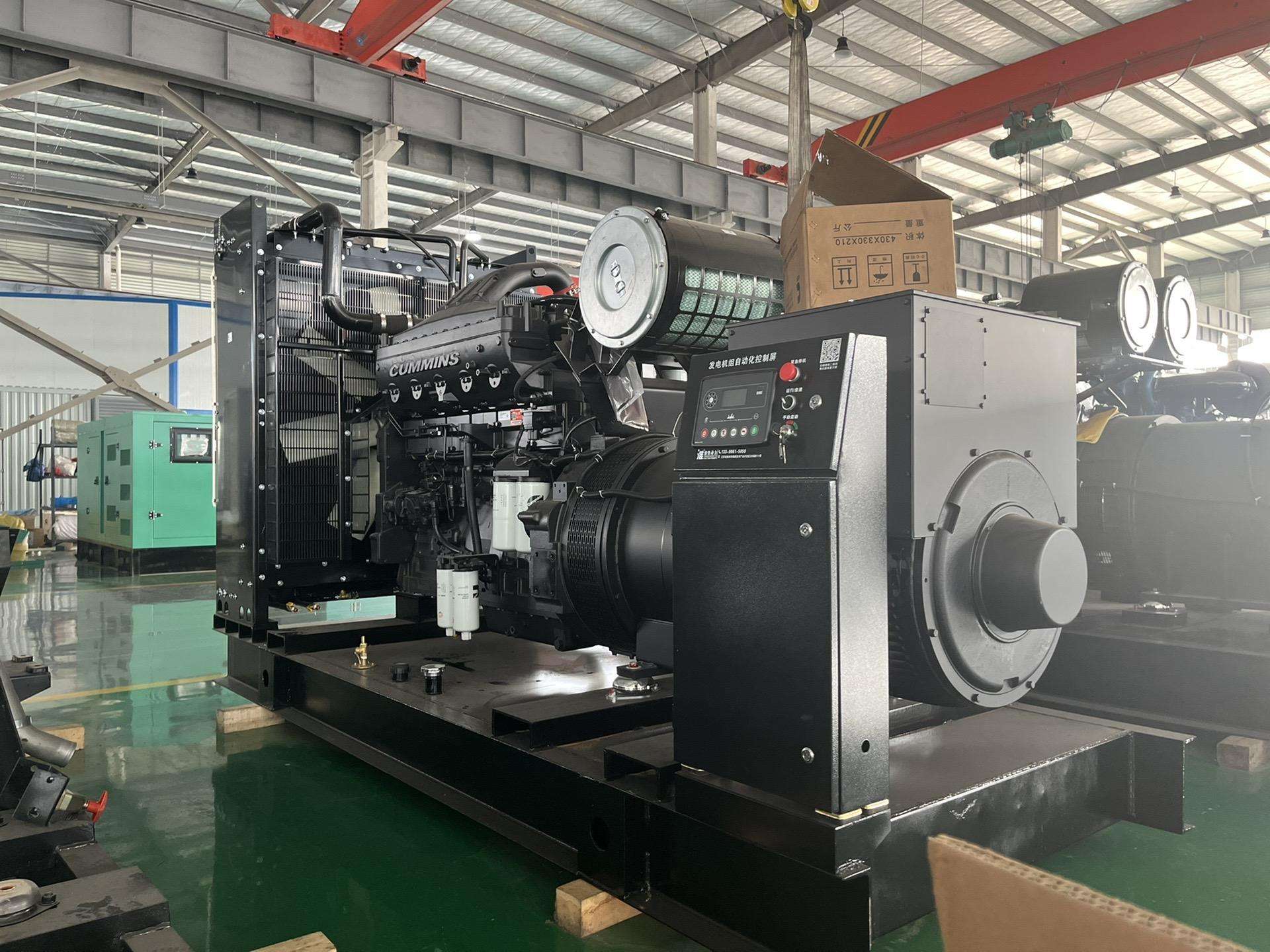
Silence is a different case. Where the panel shows no start signal at all, the fault list opens to the controller output, the emergency stop contact, the low oil pressure and low coolant interlocks, and the wiring run between them. Check the interlock chain before ordering any part, because an interlock that has tripped for a real reason cranks nothing until the reason is cleared. Tesla Power reads the event history against that chain before a motor is quoted for the case.
Solenoid and starter motor: which one has failed?
The solenoid does two jobs, and each has its own test. As a relay it closes a pair of copper contacts that carry the full cranking current, and as an actuator it throws the pinion into the ring gear. A solenoid that clicks but passes no current has worn contacts. A solenoid that cranks the engine twice and then clicks alone on the third attempt has a contact disc wearing thin, which is why the symptom appears and disappears on consecutive mornings.
The motor carries the current the solenoid hands over, and it fails in slower ways. Worn bushes make the armature drag, and the crank slows over weeks rather than failing at once. A shorted field winding pulls more current than the pair can hold, and the crank turns hot and sluggish. A pinion that fails to retract scores the ring gear and leaves a whining spin after the engine fires. Current draw against the engine specification separates a dragging motor from a healthy one on the meter.
On a large frame the motor is matched to the engine compression, and the 400kW Weichai powered export frame lists the motor and the battery pair as matched items for that reason. Tesla Power fits the pair at the works and records the drop test figure on the commissioning sheet, so the site inherits a baseline to measure the next winter against.
- Measure the drop across the solenoid contacts during a crank, where more than half a volt condemns the disc.
- Measure the drop on the heavy cable and the earth strap, where corrosion hides under the clamp.
- Compare the current draw with the engine specification before the motor comes off the chassis.
How does cold weather turn a small fault into a no-start?
Cold thickens the oil and slows every chemical reaction in the battery at the same moment. A block that delivers 900CCA at 25℃ delivers roughly half of that at -18℃, so the pair that turned the engine in September lacks the current to reach cranking speed in January. The engine needs more torque at the same time the battery supplies less, and the margin between the two is the whole winter case.
The aggregation is why the fault seems seasonal. A terminal with light corrosion passes enough current in warm weather and passes almost none at -10℃, a block down one cell cranks a warm engine twice and a cold engine not once, and a block heater that failed quietly in October is discovered on the first frost. Chinese genset suppliers quote block heaters and larger CCA pairs against a winter specification for exactly this reason.
- Fit the block heater on a timer, so the block and the pair are warm before the auto-start window opens.
- Insulate the battery box rather than the whole enclosure, which concentrates the heat where the reaction sits.
- Step the CCA rating up against the winter specification instead of the nameplate figure.
The pattern repeats on sets that idle between tests. A genset for telecom sites that runs its weekly lamp test but does not crank under load hides the drift, which is why the monthly test schedule in NFPA 110 asks for a crank under load rather than a lamp check. A genset starter motor problem in cold climates usually starts as one of these small faults, and the weekly log catches it while it is still a terminal cleaning rather than a motor.
When does a no-crank point at engine seizure instead?
An engine that will not turn may have a cause outside the cranking circuit. Hydrostatic lock from a fuel or coolant leak fills a cylinder past the compression stroke, and the starter meets a wall of liquid instead of air. A seized turbo or a failed auxiliary drive produces the same result, and each of them mimics a dead cranking circuit from the panel.
The separation test costs one bar and five minutes. Open the decompression valve where the engine carries one, or remove an injector and bar the engine over by hand: a wall of fluid or a hard stop confirms a mechanical lock, while a free turn with full compression resistance sends the search back to the battery and the circuit. On a 500kVA frame at 0.8 power factor = 400kW of running output, the engine behind the motor is large enough that hand barring needs a lever bar and a second pair of hands.
Log the result either way. A mechanical lock found early is an insurance claim rather than a starter replacement, and a circuit fault proven by the bar test is a documented case for the parts desk. Tesla Power treats the bar test figure as part of the fault file rather than as an optional extra. Send the bar test result with the log to the engineering service desk, and the reply separates the two cases before any part is shipped.
What should the fault log record for the supplier?
A useful report reaches the supplier as figures rather than adjectives. Most genset manufacturers quote the motor and the solenoid as separate line items, and the figures decide which line the order actually needs. Record the battery voltage at rest and during the crank, the crank duration in seconds, the ambient at the set, and whether the attempt was manual or an auto-start. Note the controller event code beside each attempt, because the event history proves whether the start signal arrived at all and on which day the pattern began.
Photographs and test records carry the rest of the case. The terminal state, the earth strap run, the solenoid part number and the motor nameplate turn a description into a parts list, and a conformity assessment for the genset covers the cranking circuit as installed once those records are on file. Yangzhou Tesla Power answers a report written this way with a parts quotation and a test procedure in the same reply.
How do we test the cranking circuit after the repair?
Close the loop with the same meter readings the diagnosis used. Record the voltage at the solenoid during a five second crank after the repair, compare it with the pre-repair figure, and file both beside the controller event log. A repair that halves the voltage drop but leaves the crank marginal is a partial fix, and the log shows it before the next outage does.
Close the cranking loop against the cold figure rather than the warm one. The cranking pair is retested after every starter replacement on an export order, and the starter specification is filed beside the rating class of the set under the rating classes set out in ISO 8528-1, so the two documents travel together.
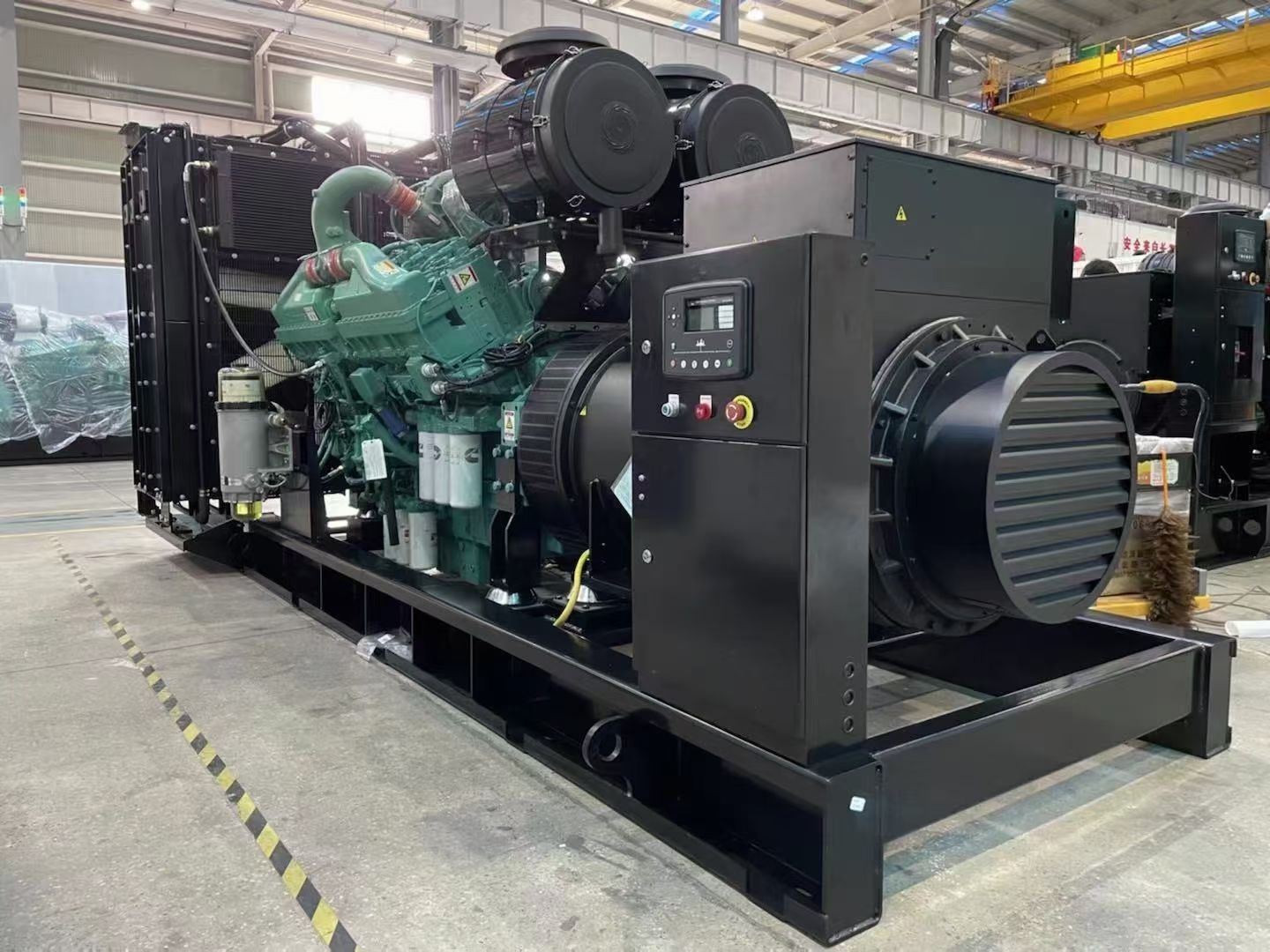
Keep the file with the set. At Tesla Power the cranking figures stay with the commissioning sheet, so the next engineer inherits figures rather than folklore, and the pattern across two winters shows which component of the circuit wears first on that site. Where the same circuit fails across more than one frame, the service questions in the OEM genset supplier checklist list what to put to a new supplier before the next season starts.
Frequently asked questions about genset starter motor problems
Two attempts of ten seconds each, with a pause between them, is the practical limit on a 24V system. Longer cranking heats the motor and flattens the pair without adding information. After two failed attempts, move to the meter checks rather than a third attempt, because the third attempt only confirms what the first two measured.
It can, indirectly. Low voltage makes the motor crank slowly for longer, and the extended crank heats the windings and the brushes beyond their duty. A motor that survives months of slow cranking often fails shortly after the battery is replaced, which is why the pair and the motor are read as one circuit rather than as two separate parts.
Because two effects arrive together: the battery delivers less current as the temperature falls, and the cold oil raises the torque the engine needs. A pair that is marginal in warm weather loses the margin entirely in winter. The block heater, the terminal condition and the CCA rating decide most of these cases.
It means the start signal reached the solenoid and the solenoid closed, so the control circuit is proven. The fault sits after that point: the main contacts inside the solenoid, the heavy cable to the battery, or the motor itself. A voltage drop test during a crank locates which of the three it is.
A standby motor sees few hours, and the wear comes from starts rather than from running time. With a healthy battery and clean terminals, several thousand starts are ordinary, which for most standby sites is a decade or more. Slow cranking that returns after a terminal cleaning is the sign to plan a replacement.
Send the voltage figures at rest and during the crank, the controller event codes, photographs of the terminals and the earth strap, and the solenoid and motor nameplate numbers. Tesla Power reads a report in that form against the engine file and replies with the parts list and the test steps in a single reply.