
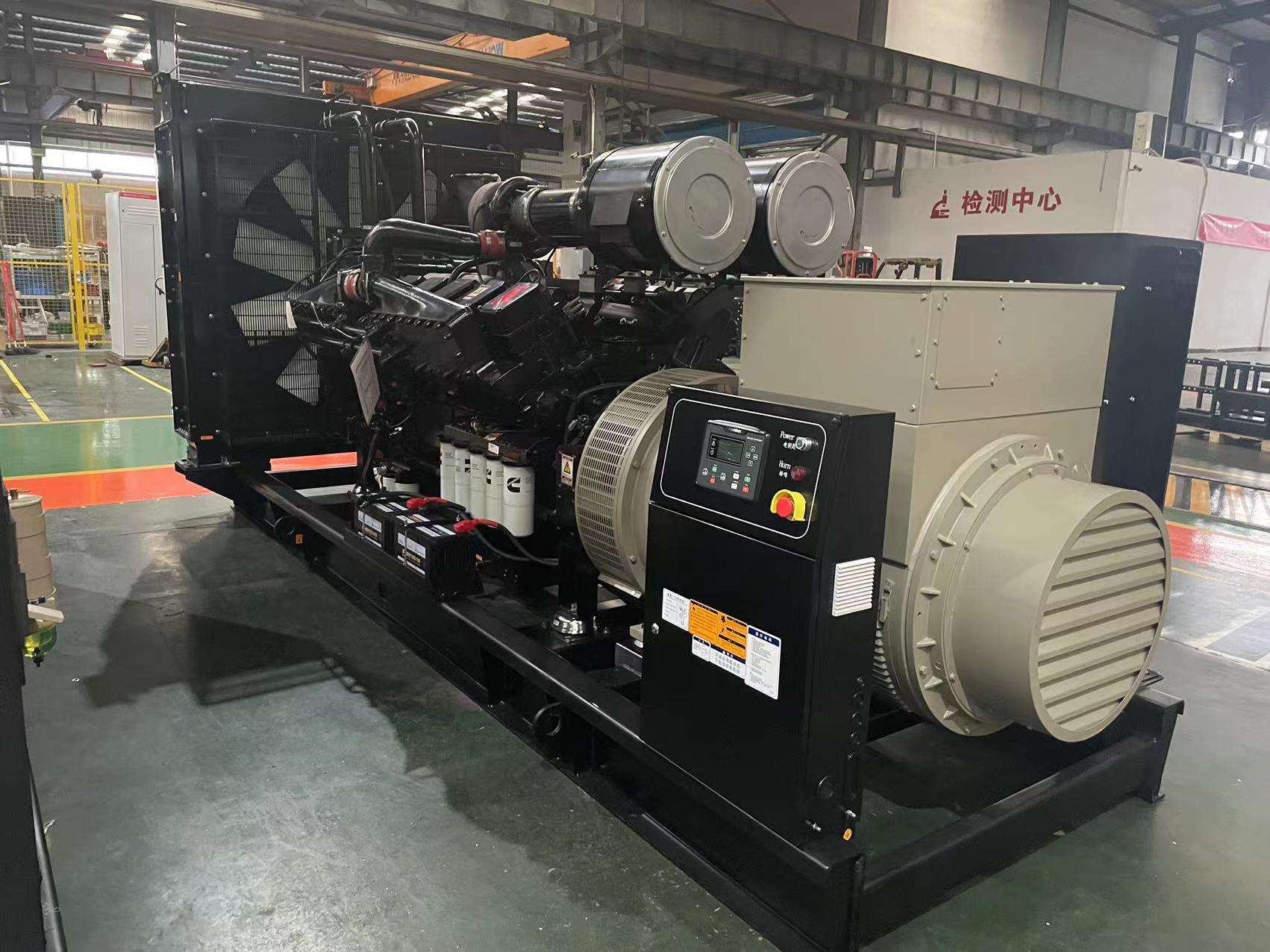
Tesla Power treats a standby power system as a site-wide duty, not a single machine. This guide explains the standby power system requirements a buyer should specify, the rating class and runtime to hold, and the documents to request before you contact a supplier.
- Start from the load study. Measure the site load, then add the growth margin before any set is chosen.
- Fix the rating class early. The the ISO 8528-1 rating class on the quotation decides how long the set may run.
- Set the runtime target. The self-funded hours on site fuel drive the tank volume, not the other way round.
- Prove it at commissioning. A step-load test and the transfer time record are the two documents that matter.
What Standby Power System Requirements Matter First?
The first requirement is a measured load list, not a nameplate sum. Lights, lifts, cooling, IT and the ancillary bus each carry a figure and a time of day, and the peak matters more than the total. A standby power system for a hospital is specified against the life-safety bus first, then the rest of the building, because the two loads behave differently during an outage.
The second requirement is the availability target. A standby power system for the whole site is the cheapest installation and the most fragile, so most sites specify a pair or a shared bus with a spare. Standby power system manufacturers quote both shapes, and the choice belongs in the specification before the quotation, because it changes every number that follows. Tesla Power draws the single-line diagram at this stage so the count is a decision, not an assumption.
How Do You Size a Standby Power System for a Building?
Sizing follows the load list. Add the measured blocks, apply the growth margin the operator wants, then check the largest motor start against the alternator step-load capability. A lift or a chiller compressor can double the instantaneous draw, and the set must accept that step without a voltage dip that trips the contactors.
The arithmetic is short. At 0.8 power factor, a 100kVA set delivers 100kVA × 0.8 = 80kW, which covers a lighting and lift bus with the cooling block added. A 200kVA set carries 160kW for the same step, and that is the size most mid-rise buildings land on. The rating plate must state the class, because a standby-rated set would overheat on the duty the site actually sees. Tesla Power quotes the step-load capability beside the rating.
Which Rating Class Fits a Standby Power System?
The rating class is the requirement buyers most often leave blank. The ISO 8528-1 family defines emergency standby power as a short-duration duty, prime power for unlimited hours and continuous power for a steady load, and a building blackout that lasts days needs the prime band rather than the emergency band. The class also fixes the load ceiling, so the same engine may be quoted at a lower figure when it is sold as emergency standby power.
The difference is not paperwork. A set sold as standby is allowed fewer annual running hours at a lower load ceiling, and running one beyond its class shortens engine life and voids the warranty position. That choice is a specification decision, and the quotation should state the class beside the quoted figure before the order is placed. Prices follow the class, and the cheaper band is not necessarily the cheaper project.
What Runtime Should the Fuel System Hold?
Runtime is a contract, not an estimate. The operator sets a self-funded target, commonly 24 to 72 hours on site fuel, and the supplier sizes the base tank, the day tank and the delivery contract to hold it. A building with a dual fuel source holds the higher figure, and the number belongs in the specification so the sizing is auditable.
The burn figure converts the target into a volume, and a metered burn from the factory test beats a catalogue average. Write the tank volume, the bund and the refill trigger into the same document, because the three numbers move together. Tesla Power sizes the base tank to the metered figure, not to a rule of thumb.
| Requirement | Typical entry for a mid-rise building | Where it is proved |
|---|---|---|
| Rating class | Prime, with the standby peak quoted separately | Rating sheet with the quotation |
| Transfer time | Start and carry load within 10 seconds of grid loss | Commissioning step test |
| Runtime target | 24 to 72 hours on site fuel | Tank drawing and delivery contract |
| Growth margin | 10 to 20 percent over the base year load | Load study summary |
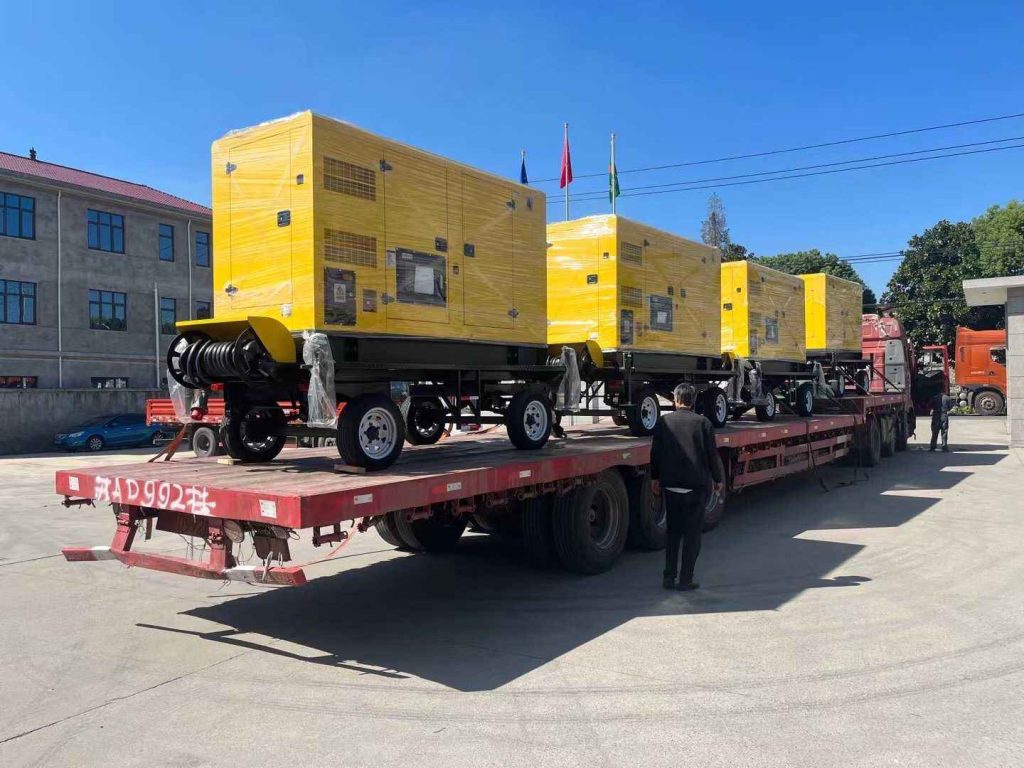
How Does the Transfer Switch Fit the Requirements?
The transfer switch is where the standby requirement becomes usable. It must sense the grid loss, start the set, transfer the load and return the site to the grid without a dip that resets the controls, and the sequence belongs in the specification with the timings stated.
Two timings matter to the building. The start time, which is the seconds between the grid loss and the set carrying load, and the retransfer time, which is the dwell after the grid returns before the load moves back. The NFPA 110 emergency power supply standard sets the acceptance test North American operators apply, and citing it in the same pack keeps the electrical and the fire review aligned.
What Ventilation and Placement Rules Apply?
Placement is a requirement, not a preference. A standby power system in a retrofit building inherits the constraints of the original plant room, and the airflow check comes before the size is fixed. The set needs combustion air, radiator air and a exhaust route that clears openings, and the plant room needs the airflow calculated before the slab is poured. A confined room recirculates radiator air, the coolant temperature climbs and the rating falls.
The building side carries rules too. The pad, the bund, the cable routes, the fire separation and the access for a crane lift all belong in the specification, because retrofitting any of them is expensive. The room design guide works through the clearances, and the drawing set should carry the same numbers the quotation assumes. Tesla Power publishes the airflow requirement for each export set so the drawing numbers match the machine.
Which Standards Define the Requirements?
Three references carry most of the weight. The ISO 8528-1 rating definitions fix the classes; the fuel and emissions rules shape the engine calibration; and the local electrical code fixes the transfer and earthing arrangement. A specification that names all three gives the reviewer nothing to send back.
The emission rules matter more each year. A site in the European Economic Area works to the NRMM regulation, a site in North America to the EPA tiers, and the engine offered must match the market the building stands in. The emission standard is stated beside the rating class on every quotation, so the compliance position travels with the machine.
What Documents Prove Compliance?
The document pack is what turns an installation into a compliant system. The minimum set is the rating sheet, the factory test report, the load acceptance curve, the declaration of conformity and the wiring diagram, all matched to the serial number of the actual set.
Ask for the pack before the purchase order. China standby power system suppliers who quote without it are selling a machine, not a system, and the gap shows up at the first authority review. Every document in the pack should carry the serial number of the set that actually arrives on site, the power ratings guide explains how each class limits the quoted figure, and the conformity assessment for the export market should sit behind the pack.
How Do You Test a Standby Power System?
Commissioning is where the requirements are proved. The test runs the set through the load steps the building can produce, records the transfer time, and demonstrates the return to grid without a dip. A step that stalls the set is a sizing finding, not a test failure, and it is cheaper to find on the test day than during the first blackout. Tesla Power Equipment runs the same sequence at the factory before the set ships.
After handover the site keeps two habits. A weekly exercise run under load, and a monthly loaded test, both written into the log with the load step and the duration. The fuel tank sizing guide covers the volume side, and the log is the half that proves the system still works years later.
When Should You Review the Requirements?
Review the specification whenever the building changes. A new chiller, a added lift or a refurbished floor moves the load list, and a set that was correctly sized in year one is quietly undersized by year five. The review is a desk exercise with the log and the drawings, and it costs an afternoon.
Growth is easier to plan than to retrofit. Reserve the busbar section, the breaker slot and the tank capacity on the drawing with a date, and the second set becomes a connection job. Tesla Power Equipment ships the expansion interface with the first set so a second module lands without rework. Our standby generator sets page lists the ratings a replacement quote should quote against, and the talk to our engineers desk answers sizing questions within one working day.
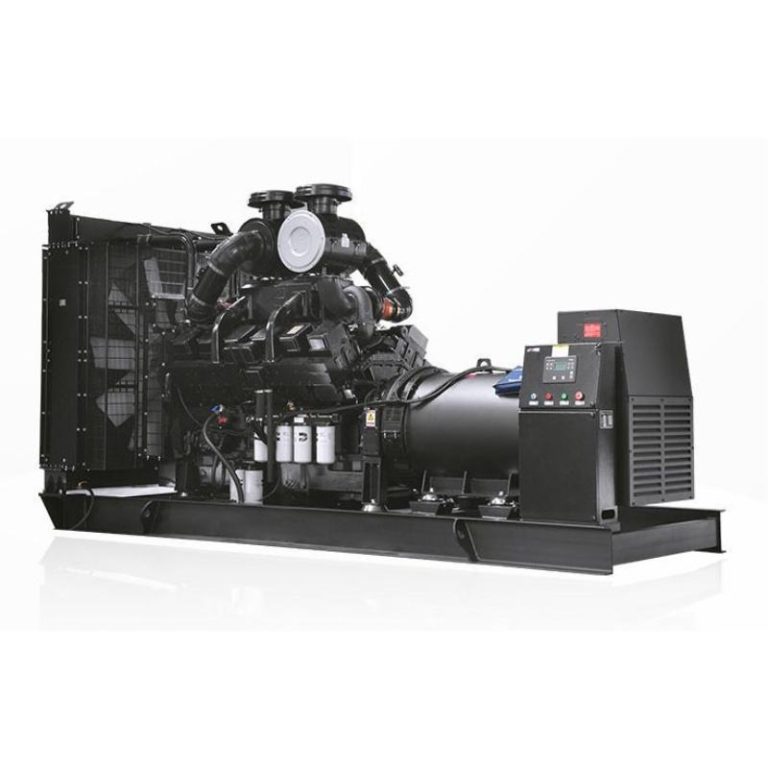
Frequently Asked Questions
The core set is the measured load list, the rating class, the runtime target, the transfer time and the document pack. The load list drives the size, the class drives the running hours, and the runtime target drives the tank. A specification that fixes all five gives the reviewer nothing to send back.
Size it from the measured load list plus the growth margin, then check the largest motor start against the step-load capability. At 0.8 power factor a 100kVA set delivers 80kW and a 200kVA set carries 160kW. The rating plate must state the class, because the class limits how long that figure may be held.
Emergency standby power suits short outages, while prime or continuous ratings suit a site that will run for days. The ISO 8528-1 rating class on the quotation states which band the figure belongs to, and a set run beyond its class loses engine life and the warranty position.
Operators commonly self-fund 24 to 72 hours on site fuel, and a building with a dual source holds the higher figure. The burn figure from the factory test converts that target into a tank volume, and the refill trigger belongs in the same document.
Start and carry load within ten seconds of a grid loss for most buildings, with the retransfer dwell also specified. The NFPA 110 emergency power supply standard sets the acceptance test North American operators apply, and the timings belong in the commissioning record.
Yes. A set in a confined plant room recirculates its own radiator air, the coolant temperature climbs and the rating falls, so the airflow calculation is part of the sizing exercise. The clearances for combustion air, radiator air and the exhaust route belong on the drawing before the slab is poured.
Ask for the rating sheet, the factory test report, the load acceptance curve, the declaration of conformity and the wiring diagram, all matched to the serial number. China standby power system suppliers who quote without that pack are selling a machine rather than a system.
Review it whenever the building changes: a new chiller, an added lift or a refurbished floor moves the load list. A correctly sized set in year one is quietly undersized by year five, and the review is a desk exercise with the log and the drawings. Tesla Power fixes the expansion interface on the first drawing so the second set is a connection job rather than a redesign.