
A genset RFQ template is the document that decides whether the quotations that come back can be compared at all. We have read hundreds of RFQ files at Tesla Power, and the ones that return comparable offers share six checks completed before the file left the buyer's desk. The checks are not engineering tasks. They are completeness tasks. A load list without a power factor, a site without an ambient figure, a duty class left blank: each gap forces a supplier to assume, and every assumption makes the price harder to compare. When two quotations arrive on different bases, the cheaper figure often describes the smaller machine. This article sets out the six checks line by line, shows what a complete template contains, and explains why an incomplete RFQ returns incomparable quotations. Buyers who purchase on the basis of a full file choose from offers that answer the same question, and the file itself becomes the record the order is built on.
- Fill the load list with the kVA per circuit, the power factor and the largest motor start, because a total without those three cannot be quoted.
- Write the site ambient, the altitude and the expected running hours into the same row as the rating.
- Name the duty class the site plans for, so two offers can be read against the same class.
- Send the completed file to the genset frames the factory builds, so the quotation answers the load list rather than a catalogue page.
What goes into a genset RFQ template, line by line?
A complete template carries six blocks: the load list, the site sheet, the duty statement, the market rules, the delivery terms and the spares line. Each block answers one question a supplier would otherwise guess. The load list states what the set carries. The site sheet states where it carries it. The duty statement states for how long, and the market rules state what the destination will inspect at the port.
A buyer who fills all six gets answers that line up row for row. A buyer who fills four gets two answers and two guesses. Tesla Power reads a full file the way an estimator reads a drawing: every blank becomes a question, and every question adds a week to the reply. The table below lists the rows a template should carry before it goes to any supplier on the shortlist.
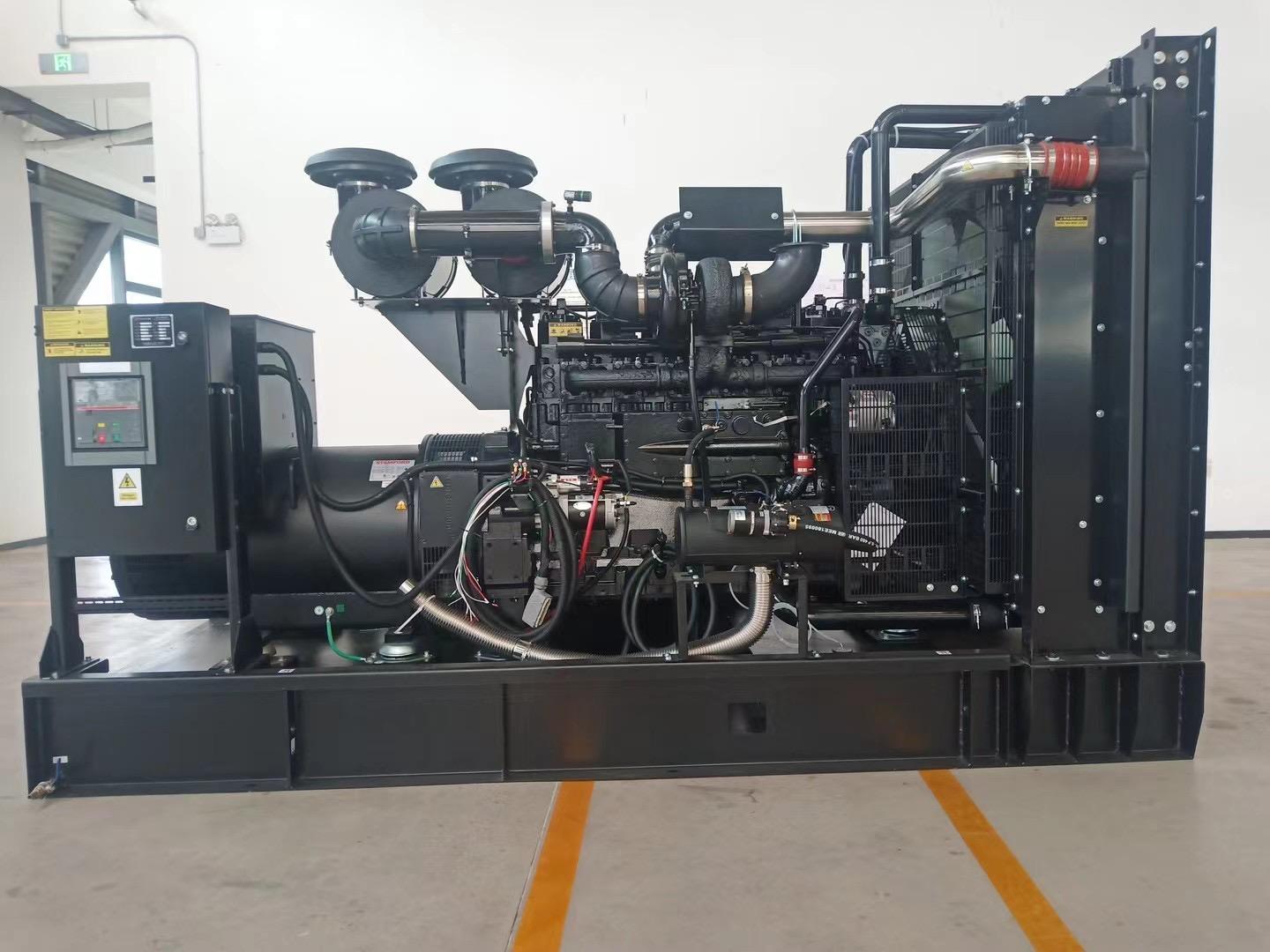
Every row in the table is a row we have seen settled at handover. The rows that cause disputes are the ambient row and the duty row, because both change the figure on the plate after the price has been agreed.
| Template row | What the buyer writes | Why the row exists |
|---|---|---|
| Load list | Connected loads in kVA with the power factor | Sets the frame the supplier quotes |
| Site sheet | Ambient, altitude and humidity at the set | Fixes the derating applied to the plate figure |
| Duty statement | Class and expected hours per year | Decides the rating basis of the offer |
| Market rules | Voltage, frequency and nameplate language | Avoids a port inspection finding at destination |
| Delivery terms | Incoterm, discharge port and packing language | Prices the freight instead of guessing it |
| Spares and testing | Commissioning spares and a load test line | Closes the first year of operation |
Check 1: does the load list carry kVA, kW and the power factor?
A load list written in kW alone tells the supplier half of what the alternator must carry. Alternators are rated in kVA, and a 320kW load at 0.8 power factor needs 400kVA, while the same load at 0.9 needs less. The factor belongs on the load list, not in a later email.
- List each circuit with its kVA and its power factor, then add the largest motor start as a separate line.
- Separate the loads that must run during an outage from the loads that can wait until the mains return.
- Keep the list dated, because a load list copied from a previous project quotes the wrong building.
Where the loads are mixed, a written example helps. The 250kVA specification sheet shows the layout a mid-size list should follow, and the same structure works in an RFQ file. A list built this way gives every supplier the same arithmetic to check.
Check 2: what do ambient and altitude do to the quoted figure?
Ambient removes capacity before any load is connected. A set rated at 40 ℃ loses roughly 3% of its figure for every 10 ℃ above that point, so the same frame quotes differently in Lagos and in Hamburg. Altitude removes more. A naturally aspirated engine loses about 4% of its rating per 1000m, and a turbocharged engine loses less because the compressor recovers part of the drop.
A template that leaves the site sheet blank invites every supplier to quote the reference figure, and the offers then differ by the correction nobody wrote down. The fix costs one line: ambient at the set, altitude above sea level, and the month the heaviest load runs. We ask for the intake temperature rather than the shelter temperature, because the two differ inside an enclosure. Tesla Power prints both bases on the offer sheet beside the rating.
- Write the ambient for the month the heaviest load runs, not the yearly average.
- State the altitude of the site, and the height of the set above sea level inside a building.
- Ask for the intake figure on enclosed builds, because the box warms the air.
The reference conditions behind the correction have a written source, and IEC 60034 alternator ratings explain how the alternator side of the figure is stated.
Check 3: the duty class and hours before you order
The duty class is the sentence that prices the engine. A standby class carries the load for the length of an outage; a prime class carries it for a season. ISO 8528-1:2018 names the rating classes both offers should quote, and the expected hours belong beside the class on the same line.
A genset RFQ for standby duty carries one figure a prime file does not: the length of the outage the site plans for. A hospital site that plans 40 hours a year buys a different engine from a site that runs 2000. The hours also decide the warranty schedule, so an hours figure left blank returns a quotation with a schedule the site cannot use. A genset RFQ template for hospital projects reads the hours row that way: the outage length and the annual hours answer two different rows.
- Name the class the site plans for: standby, prime or continuous.
- State the expected hours per year, even as a range.
- Add the longest outage the site has to carry, because the tank follows it.
The arithmetic belongs in the file too: 500kVA × 0.8 power factor = 400kW, and 625kVA × 0.8 = 500kW. A list that adds up to 320kW at 0.8 power factor points to a 400kVA frame, and the same list in a 60Hz market may point to a 500kVA one. Tesla Power Equipment writes the class and the hours into the quotation header, where a buyer can read them beside the price.
Check 4: destination market rules the RFQ template should name
A set built for 50Hz does not serve a 60Hz market, and a control system wired to one standard does not by default meet another. The template should name the voltage, the frequency, the language of the nameplate and the documents the destination port will ask for. An omission here surfaces at the quayside, where no quotation can fix it.
Coastal markets add a further line, because salt in the air changes the enclosure and the alternator protection. A genset RFQ template in coastal markets should ask for the protection class of the alternator and the enclosure paint system in the same row as the voltage. Chinese genset suppliers answer that row with IP classes and coating specs when it is written, and with a catalogue page when it is not. Buyers who write the market rules into the file receive offers built for the destination rather than offers adapted to it after the order has been placed.
What does a port inspection read first?
A port inspection reads the nameplate before it reads the file. The plate carries the class, the frequency and the power factor, and each field is checked against the enquiry. A template that omits the market rules leaves the plate open to a reading the buyer did not plan for.
Check 5: delivery and Incoterms fields buyers forget
An RFQ that names a frame but not a port returns a price for a set still standing at the works. The delivery block carries the Incoterm, the discharge port, the packing language and the target date. Each field moves the price, and each field left blank returns an assumption the buyer pays for later.
| Field | The buyer writes | What it prices |
|---|---|---|
| Incoterm | FOB, CFR or CIF | Where the seller's cost stops |
| Discharge port | The port and the inland leg | Freight and insurance |
| Packing | Export crating or a container frame | Space on the vessel |
| Target date | Month of readiness | Production slot and sailing |
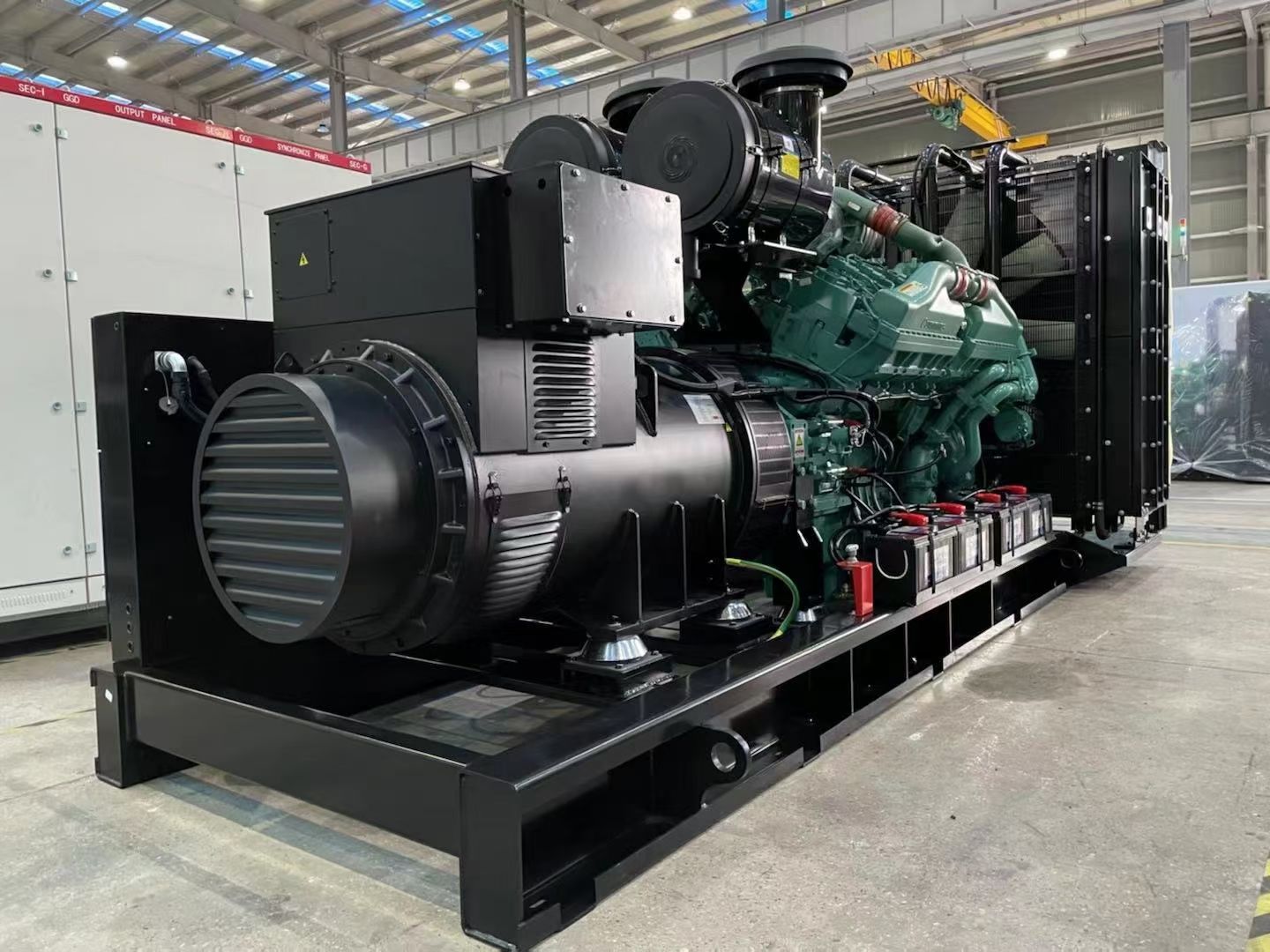
Send the delivery block with the enquiry itself, and Tesla Power prices the freight from the fields rather than from an assumption. Where the budget is set before the class is chosen, the 500kVA price file on this site separates the rating from the number.
Check 6: spares, testing and the file a buyer should keep
The last two rows are the ones buyers cut when the file feels long. The spares row asks for the commissioning spares the first year needs: filters, belts and the consumables the site cannot source locally. The testing row asks which tests the set passes before it ships and which record travels with it.
A testing line does two jobs. It tells the supplier what the buyer will check at handover, and it tells the buyer what evidence to keep. A load test at 80% of the rating, recorded with the ambient beside it, is the document a warranty question is read against years later. The file then holds the enquiry, the offers, the chosen quotation and the test record, and it is what the next buyer on the site inherits. Conformity assessment for the genset starts from that folder, not from the quotation alone.
- Ask which tests run before the set ships, and which certificate of test travels with it.
- Carry a one-year consumables line, because the first service visit arrives sooner than planned.
Tesla Power marks the spares line inside the quotation, so the row is answered rather than inherited. For a standby building the frame behind a completed file is usually a standard one, and a 500kVA silent standby frame for hotel duty shows the shape of that answer.
Why do incomplete RFQs return incomparable quotations?
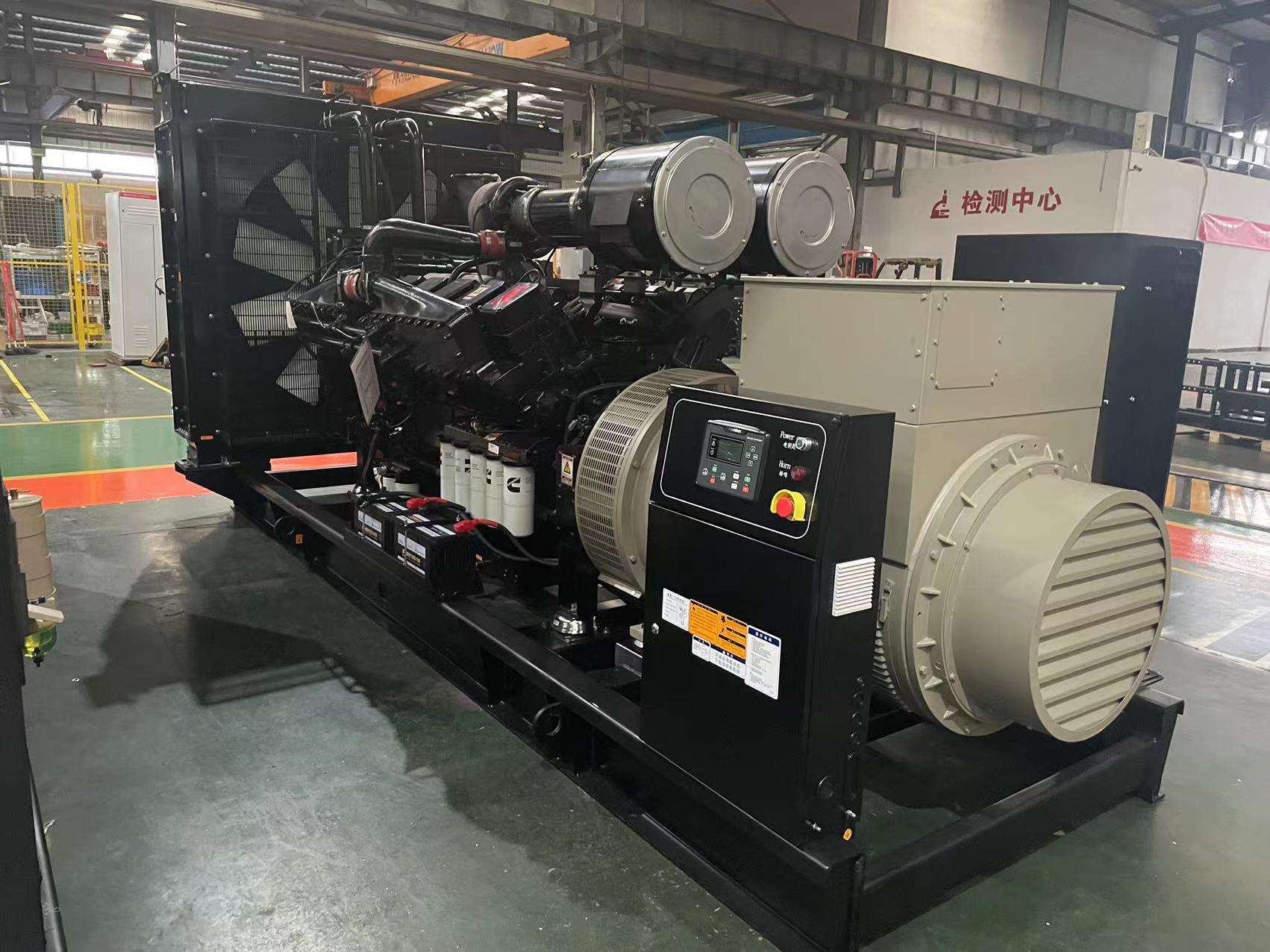
An incomplete file does not return no offers. It returns offers on different bases. One supplier corrects for ambient, another does not; one quotes standby, another prime; one prices CIF, another FOB. Every line reads like a saving until the set arrives and the basis travels with it. Quotations from genset manufacturers in China, in Europe and in between behave the same way when the file is thin.
Which three rows save a comparison?
Three rows do most of the work: the ambient row, the duty row and the Incoterm row. Buyers who fill those three receive prices that answer one question, and buyers who leave them out receive prices that answer three. The difference shows at the transfer, not at the invoice.
Where the site is a hospital, the testing row follows the emergency supply rules, and NFPA 110 on emergency supply testing sets the schedule the file should reference. Tesla Power returns the completed schedule with the quotation, so the comparison stays on one page.
For larger sites the same file scales upward, and the 1250kVA container build carries the same rows at a larger rating. Send the completed file to the quotation desk by way of our technical team's RFQ review page, and the reply arrives as a schedule rather than a figure.
Frequently asked questions about the genset RFQ
There is no page target. A six-row file that names the load list, the site, the duty, the market, the delivery terms and the spares is complete at one page. Length does not make a template comparable; the six rows do. We reply to one page and to ten with the same schedule.
The load list. Every other row is corrected against it, so a wrong load list propagates through the whole file. An hour spent separating running loads from starting loads, and kW from kVA at the stated power factor, saves more than a week of messages after the offers arrive.
They do not change; two rows do. The voltage and frequency row names 60Hz and the local voltage, and the market rules row names the documents the destination asks for. The load list, the site sheet and the duty statement read the same at any frequency.
It can, and a preference helps the supplier price the right frame. A brand named without the load list still returns a guess, because the engine follows the duty and the site rather than the other way round. Name the brand after the six rows are filled.
Yes, and the reuse is where old figures creep in. Ambient, altitude and the load list change from site to site even when the equipment list does not. Refresh the site sheet and re-date the load list before the second send, and the file stays comparable.
A schedule rather than a single figure: the rating, the class, the ambient and altitude basis, the delivery terms and the testing line, each answered beside the row that asked for it. The reply is written so it can be set beside any other complete offer and compared row by row.