
A diesel genset for resort backup is specified against three limits a factory site does not impose: the noise a sleeping guest hears through a window, the salt carried in the night air, and a season that runs hard for five months and idles for the rest. This guide sets out how we evaluate those limits, which figure each one produces, and where each figure belongs in the tender. Tesla Power treats the site sheet as the starting point, because two resorts with the same room count can need different frames once the distance to the guest wing and the length of the season are measured. Our comparisons stay on paper. The load list fixes the frame. The distance fixes the canopy. The season fixes the rating class. Once those three are written down, any supplier can be asked to quote against them, and the offers can be compared line by line rather than on adjectives.
- State the noise limit as a dB(A) figure at the guest wing rather than as the word silent, so the enclosure can be judged against a number.
- Log the connected load for a week in season, because HVAC start and kitchen equipment decide the frame more than the room count does.
- Name the running hours the season produces, since the hours decide whether the plate carries a prime or a standby class.
- Keep the silent canopy builds in the product range beside the site sheet, so every supplier quotes the same enclosure class.
What does a diesel genset for resort backup have to deliver?
Three outputs decide the specification, and price is not one of them. The first is the noise figure at the nearest guest room, measured with the canopy doors closed and the set at full load. The second is the rating class, which follows the hours a season actually runs. The third is the corrosion protection on the enclosure, its fasteners and its louvres.
Each figure lands in a separate document, and the buyer reads the three together. The noise limit belongs in the tender as a dB(A) value at a stated distance from the nearest rooms. The rating class belongs beside the rating on the offer sheet, with the season hours written next to it. The protection level belongs on the data sheet as an IP figure with the salt test named beside it, so two enclosures can be judged on the same basis.
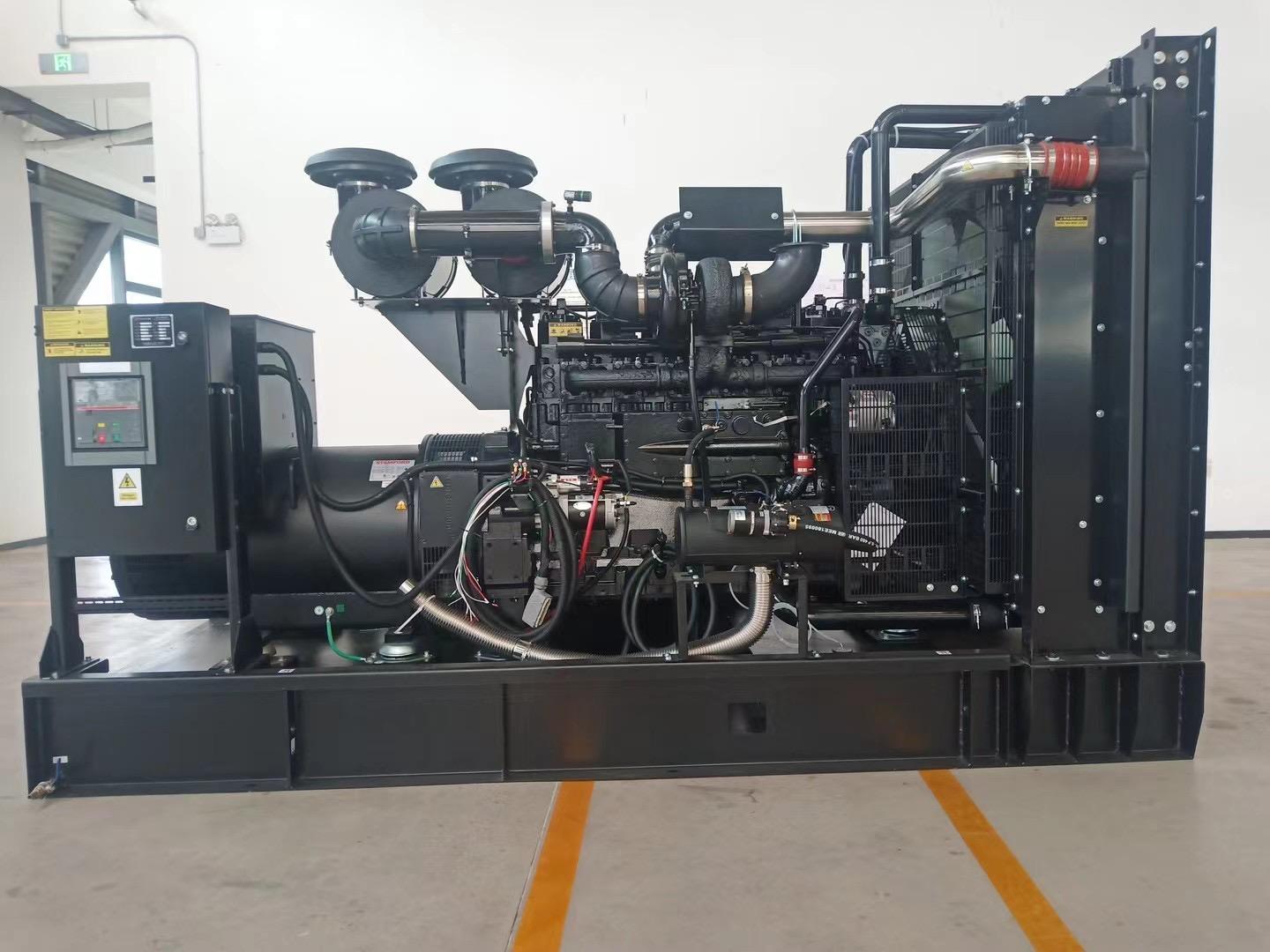
The three outputs interact. A tighter canopy holds the noise down and holds the heat in, so the cooling air needs a larger opening, and a larger opening needs better louvres. The set that suits a resort is the one where all three figures were settled together.
How loud is a silent canopy in a guest area?
A silent canopy is a class, not a promise. Most export canopies sit near 65dB(A) to 70dB(A) at 7 metres at full load, and the figure falls by roughly 6dB(A) per doubling of the distance. A limit written at the guest wing therefore depends on the distance as much as on the enclosure, and the tender should state both.
- A terrace limit of 45dB(A) to 50dB(A) at night usually forces a plant room with inlet attenuation or a super-silent build.
- Exhaust noise carries further than casing noise, so the silencer class belongs on the same tender line as the canopy class.
- Run the acceptance test in season, with the doors closed and the HVAC started, because the night reading is the one guests write about.
The site test at handover produces the noise record a buyer should keep on file. It should name the instrument, the distance, the load and the wind, because a reading without those four cannot be repeated two years later.
Distance is the cheapest attenuation a site owns. Moving the plant 20 metres from the wing buys what a second silencer cannot, and it costs a trench instead of a canopy upgrade. The test bays behind the export works measure each canopy with the doors closed, and Tesla Power repeats the recorded figure beside the rating on the offer sheet.
What does salt mist do to a coastal set?
Specifying a diesel for beachfront sites is a coating decision before it is a frame decision, because the corrosion starts at the thin edges. Uncoated louvres bleed rust down the canopy side, plain fasteners seize, and an open control box collects a film that conducts within one monsoon. The specification therefore names a coating system rather than a colour, and it names a thickness rather than a brand.
The service life of a diesel in salt air conditions depends on four lines in the data sheet. The enclosure coating should be marine grade with a stated thickness. The fasteners and hinges should be stainless. The alternator windings should carry an anti-moisture varnish. The controller should sit behind a gasketed door. Yangzhou Tesla Power issues those four lines as standard on coastal orders, because the buyer can check each one at the port without opening a crate.
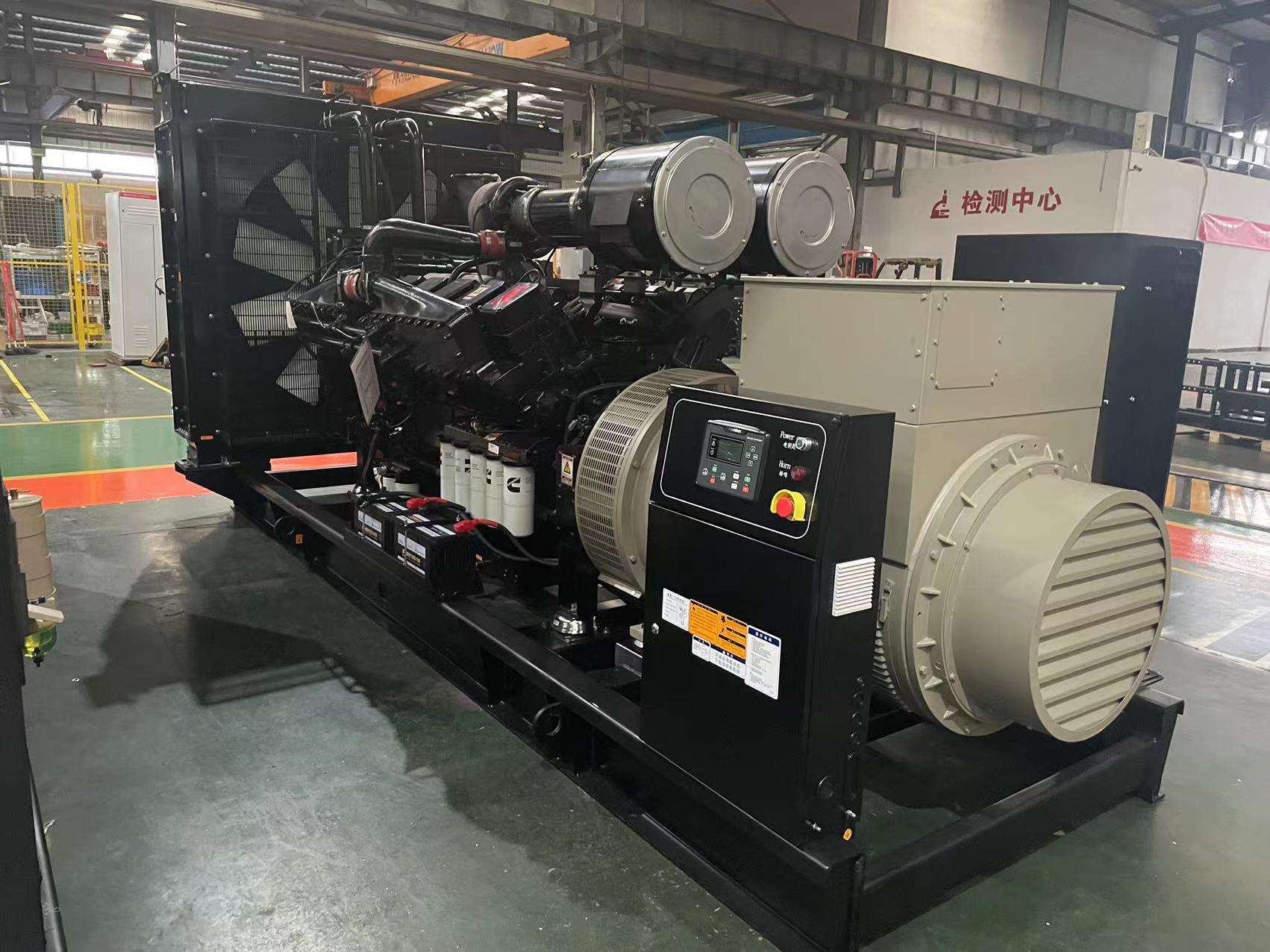
Ask for the salt test by name. An IP56 figure proves water and dust, and it says little about chloride, so a coastal tender should ask which test the coating passed.
Prime or standby duty for seasonal occupancy?
A resort season produces hours a factory would recognise and a pattern it would not. The set may carry the property for ten weeks without a grid hour, then idle for four months. That is a diesel for seasonal duty: a prime rating sized on the season, not a standby rating stretched across it. The way ISO 8528-1 separates prime from standby duty gives the two classes their limits, and the limits are written against running hours rather than against weeks.
Tesla Power writes the expected annual hours on the offer beside the class. A prime set carries a variable load for the season and a 10% overload allowance for peaks. A standby set carries outage duty only. A property that runs the set as its main supply for months needs the prime figure, and a buyer who quotes the plate without the class cannot compare two offers at all.
How do you size the frame for HVAC and kitchens?
The load list decides the frame, and three groups decide the load list. The chillers start as one step after a transfer. The kitchens recover their cold chain at the same moment. The lighting and the pumps fill the base the rest of the night.
- Add the largest motor start to the running total, because the frame sees the step, not the nameplate average.
- Ask the kitchen for its restart sequence, since a control system that relaunches everything at once behaves as one motor.
- Leave headroom for a wedding weekend, because the banqueting load arrives on the hottest night of the year.
| Load group | Behaviour at transfer | Why it decides the frame |
|---|---|---|
| Chillers and HVAC | Largest single step after the breaker closes | Starting current sets the momentary demand |
| Kitchens | Compressors and ovens restart together | The group behaves as one additional step |
| Lighting and pumps | Steady through the night | Sets the base the engine idles against |
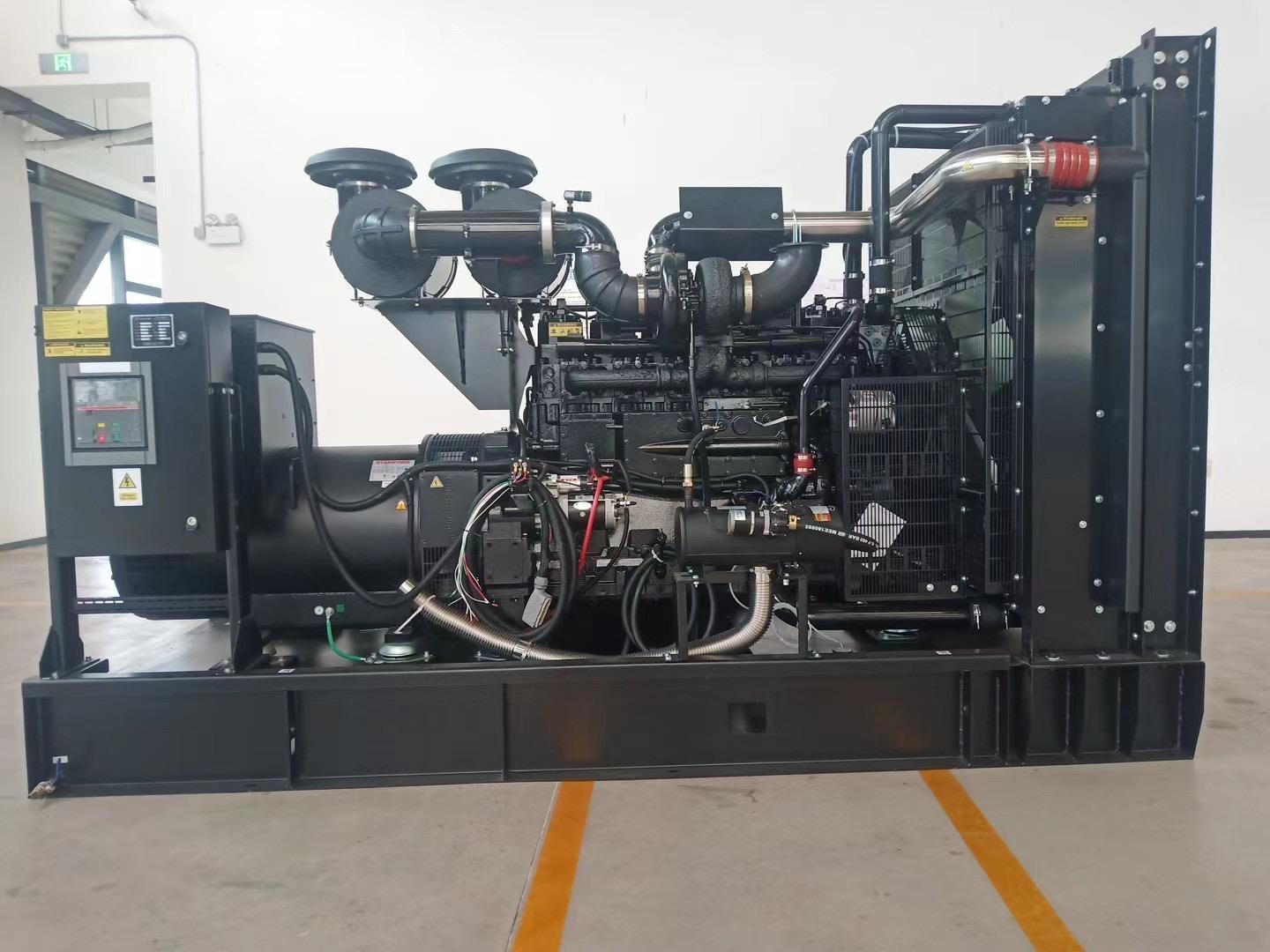
The arithmetic fits on one line. A 250kVA frame at 0.8 power factor gives 250kVA × 0.8 = 200kW. A 400kVA frame gives 400kVA × 0.8 = 320kW. A 500kVA frame gives 500kVA × 0.8 = 400kW, and the difference between the last two is usually one chiller. A silent set sized for events and banqueting overflow covers the step between the ordinary week and the wedding weekend.
Tesla Power Equipment sizes the frame from the recorded week, and the quotation shows the three load groups beside the rating, so the step the frame was bought for stays visible after handover. Where a property plans a second wing, the load list should say so, because a frame cannot be stretched by a wish.
Where does the fuel tank sit on the property?
Fuel decides how long the set carries the resort, and the tank decides how the fuel behaves. A base tank under a 500kVA frame holds roughly 8 hours at three quarters load, which covers a night outage and little more. A resort that expects a two day cut needs a day tank and a bulk store, and the bulk store needs a bund, a pump and a refuelling contract written before the season opens.
Placement is a kitchen question as much as an engineering one. The store sits away from the kitchens and the pool plant, with spill containment sized to the largest tank, and the EPA spill-prevention rules for site fuel storage describe the logic a local inspector will recognise. Where the grid is weak, how a 500kVA frame uses fuel across a long season turns into a budget line rather than a footnote. Tesla Power sizes the base tank against the recorded load week and states the hours the tank supports on the quotation.
State the refuelling route in the tender. A truck that cannot reach the store in monsoon rain turns a two day reserve into a five hour one, and the set inherits the problem.
Which records belong in the tender file?
Four records carry a coastal specification. The recorded load week, with dates and instrument. The noise test, with distance and load. The corrosion data sheet, with the coating and its test. The duty statement, with the class and the expected hours. Together they let a conformity assessment for the genset check the plate against the file instead of against the brochure.
The testing habit matters as much as the file. The exercise intervals NFPA 110 sets for standby plant are written for hospitals, and a resort borrows the logic: run the set on load, record the reading, and file it where the next manager can find it. The reading goes into the same folder as the noise test, so the set has a history rather than a story. A record that lives in one engineer's phone does not survive a staff change.
What should the tender state about the site?
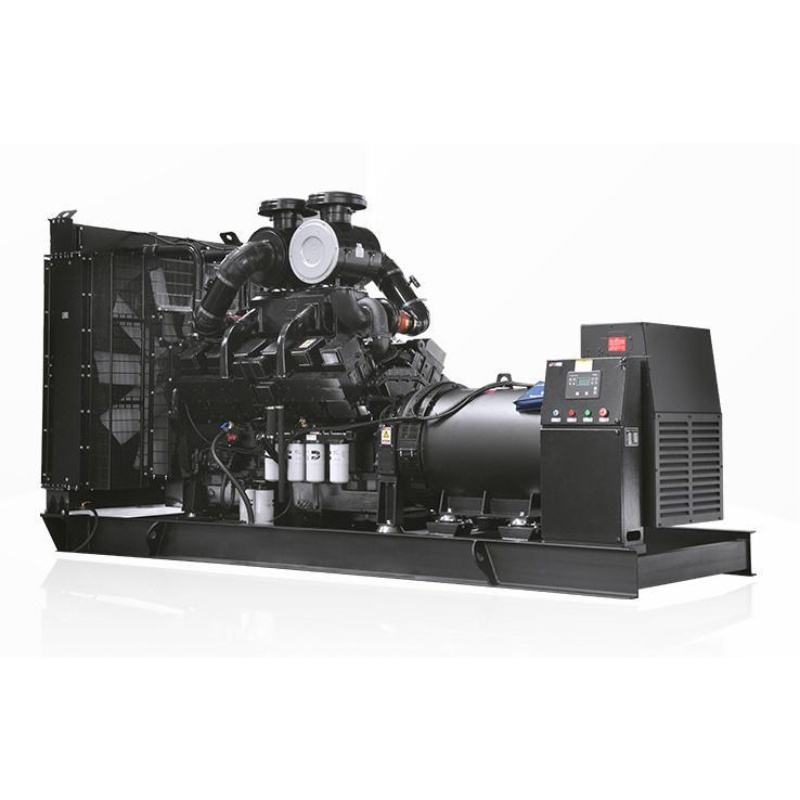
The tender is where the specification becomes comparable. Most diesel manufacturers in China quote from a standard sheet unless the enquiry names the site, and two diesel suppliers in China quoting the same sheet will return the same three figures. The tender should state: the distance from plant to guest wing, the night noise limit at that distance, the recorded load week with the largest start, the season hours, the fuel store and its refuelling route, and the corrosion class expected of the enclosure.
Those six lines cost one page. They turn four quotations into four columns, and they move the argument from price to basis. Tesla Power fills the six lines in the offer. A supplier who answers them can be compared with any other; a supplier who answers with a plate figure can only be compared on price. Send the site sheet to the quotation team at the export works, and the reply returns as a schedule with the six lines filled in.
Frequently asked questions about diesel genset for resort backup
Far enough that the night reading meets the limit with the doors closed, which usually means tens of metres rather than metres. Distance buys about 6dB(A) per doubling, and the tender should name the distance and the limit together so the enclosure is designed for the site rather than for the catalogue.
Not in every project, and the choice is acoustic rather than absolute. A canopy plus a masonry plant room gives the lowest night figure, because the walls attenuate the exhaust and the intake paths that a canopy alone cannot. Where space is short, a super-silent build with inlet attenuation reaches a similar figure at a higher cost per decibel.
A dB(A) figure at a stated distance and load, for example 50dB(A) at 10 metres at full load with the doors closed. A figure without the distance and the load cannot be tested against, and the word silent is not a figure. Two suppliers quoting the same limit produce enclosures that can be compared directly.
One frame can, if the step was counted. The chiller start and the kitchen restart land together after a transfer, and the frame sees the sum. Where the arithmetic is tight, a staged restart controlled by the building system keeps the step inside the frame, and the sequence belongs in the tender beside the load list.
Enough for the longest outage the property plans for, plus one failed delivery. A night outage needs a base tank. A two day cut needs a bulk store with a bund and a pump. The refuelling contract matters as much as the volume, because a store the truck cannot reach in rain is a smaller store than its capacity suggests.
Four. The noise test with distance and load, the coating data sheet with the salt test named, the duty class with the expected season hours, and the recorded load week the frame was sized on. A plate alone proves none of them, and a supplier who issues the four with the offer expects to be checked against them.
Tesla Power answers the site sheet rather than the catalogue. The quotation states the frame, the duty class with the season hours, the canopy class with the measured noise figure, the corrosion lines for the enclosure, and the fuel arrangement the store supports. The reply arrives as a schedule a buyer can place beside any other offer and compare line by line.