
A generator filter leak rarely begins as a leak. It starts with a schedule. The interval slips a month, then a quarter, then a season, until the element that should have been changed lets oil, fuel or coolant past its seal and a stain appears on the base. Tesla Power reads every service record beside the duty file built for the order, and that file names the interval the machine was rated to. On a diesel set the three elements that fail this way are the fuel filter, the lube oil filter and the water separator, and each hides its warning until the damage is downstream. We inspect the filter housing before we blame the pump, because a meter tells the truth faster than a parts order does. Record the hours at each change. The figures turn a stain into evidence a supplier can price against, and the quotation that returns answers the leak rather than the part number. Caught at the element, a generator filter leak stays a service job; ignored, it becomes a seized injector or a wiped bearing.
- Log the symptom before anything is opened: the stain, the hour counter and the filter location, read beside the parts catalogue.
- Inspect the seal and the base for weepage before condemning the pump, since a loose bowl mimics a failed element.
- Record the running hours at the last change, because the figures set the next interval a supplier can quote against.
- Send the photos and the hour reading to the works, and the reply names the element rather than the part number.
What is a generator filter leak?
The phrase covers three different failures that share one cause. A fuel filter that splits at the seam lets diesel onto the engine block. A lube oil filter with a failed bypass valve sends metal through the galleries. A water separator whose bowl cracks drips onto the base and rusts the frame. Each one starts as a missed service date, not as a sudden break. The set keeps running while the leak grows. The first sign is a stain the crew walks past for a week. Tesla Power treats the stain as the start of the diagnosis, not the end of it.
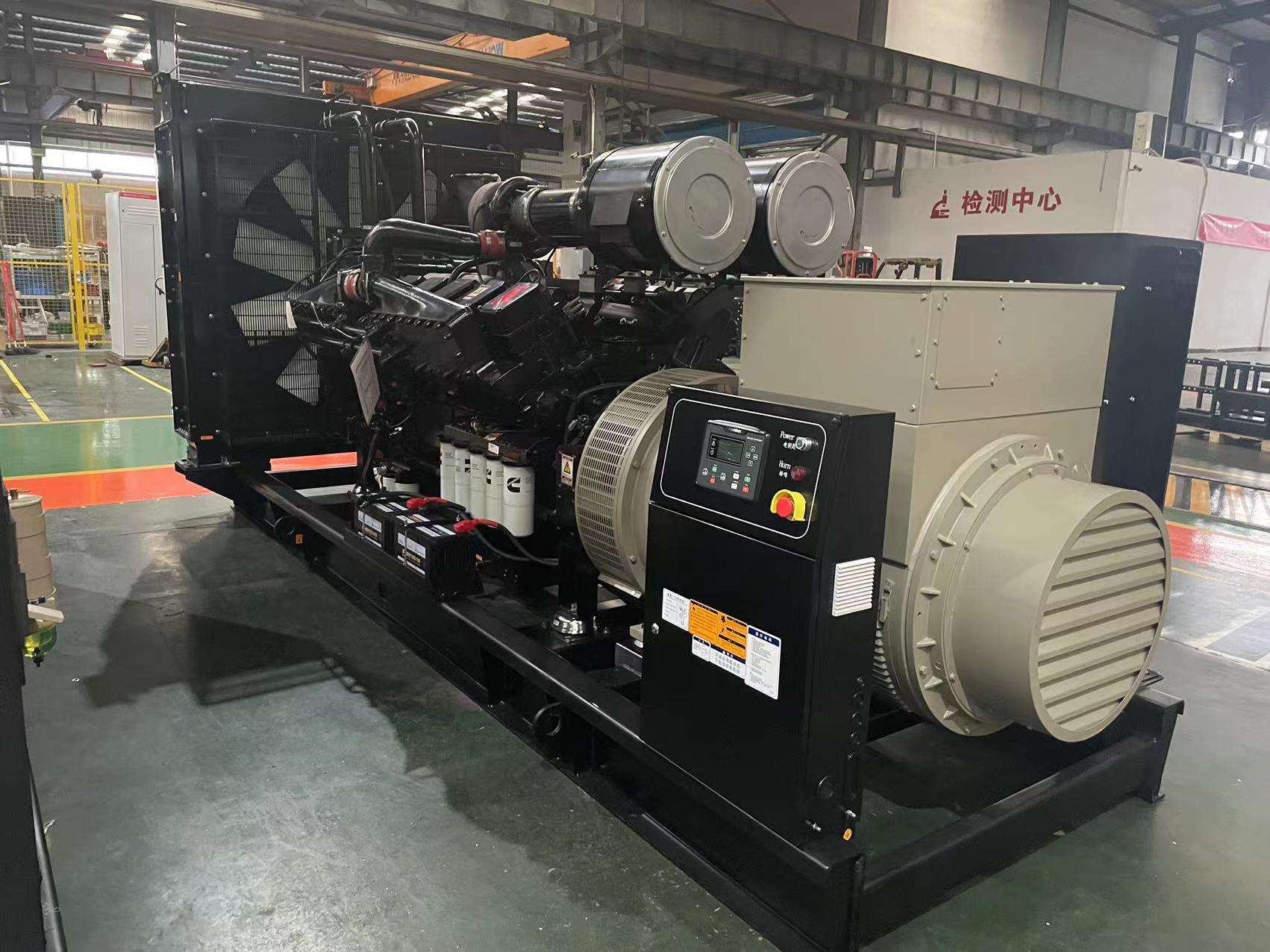
The fuel filter sits on the engine block near the injection pump. The lube oil filter sits on the oil gallery, often low on the block where heat builds. The water separator hangs below the tank, away from the engine, and that is where most crews forget it. A generator filter leak in one of these three spots leaves a different coloured stain, and the colour tells the diagnosis before the wrench does. Brown is fuel, black is oil, and clear with a rust trail is water. Read the stain before you order a part.
Generator filter manufacturers build all three to a service hour, not a calendar date, and that hour is the only number that matters. A set that runs ten hours a week ages its elements slower than a set that runs ten hours a day. The interval on the label is a starting point, and the duty file for the order is the finishing point. Chinese generator filter suppliers stock the common threads and seals, so a confirmed element is a short freight away.
Which interval prevents the leak?
Stop the leak by changing the element before the seal reaches its limit, and the limit is set by running hours and load. A 400kW set on prime duty needs a tighter calendar than the same set on standby, because prime running heats the seal and the heat ages it. The safest rule is to change the fuel and lube elements at the hour figure the duty file names, then shorten it if the stain appears early. Most leaks we see reach us after two skipped intervals, not one. A 500kVA frame at 0.8 pf = 400kW carries the rated load on prime duty, and a 400kW set on that duty burns roughly 90 L/h at half load. A fuel filter rated for 500 hours at 50% load therefore reaches its change point after about 250 hours of prime running, because the rated 500 hours assumes a duty factor below 0.8. Three filter changes a year at that pace = a 1,500-hour service file, which is the figure a supplier quotes the spare against.
The service interval is the lever that prevents the leak, and the hour counter is the only honest clock. A calendar reminder set for six months will over-serve a lightly used set and under-serve a busy one, so read the hours before you open the bowl. Sites that log the change against the counter catch the weep before the stain, and that is the whole game. Compare the figure with the plant service checklist the works publishes for the frame. Tesla Power reads the counter before the bowl is opened, because the number names the risk the stain only confirms.
| Element | Prime duty interval | Standby duty interval |
|---|---|---|
| Fuel filter | 250 hours | 500 hours or 12 months |
| Lube oil filter | 250 hours | 500 hours or 12 months |
| Water separator | 500 hours | 1,000 hours or 24 months |
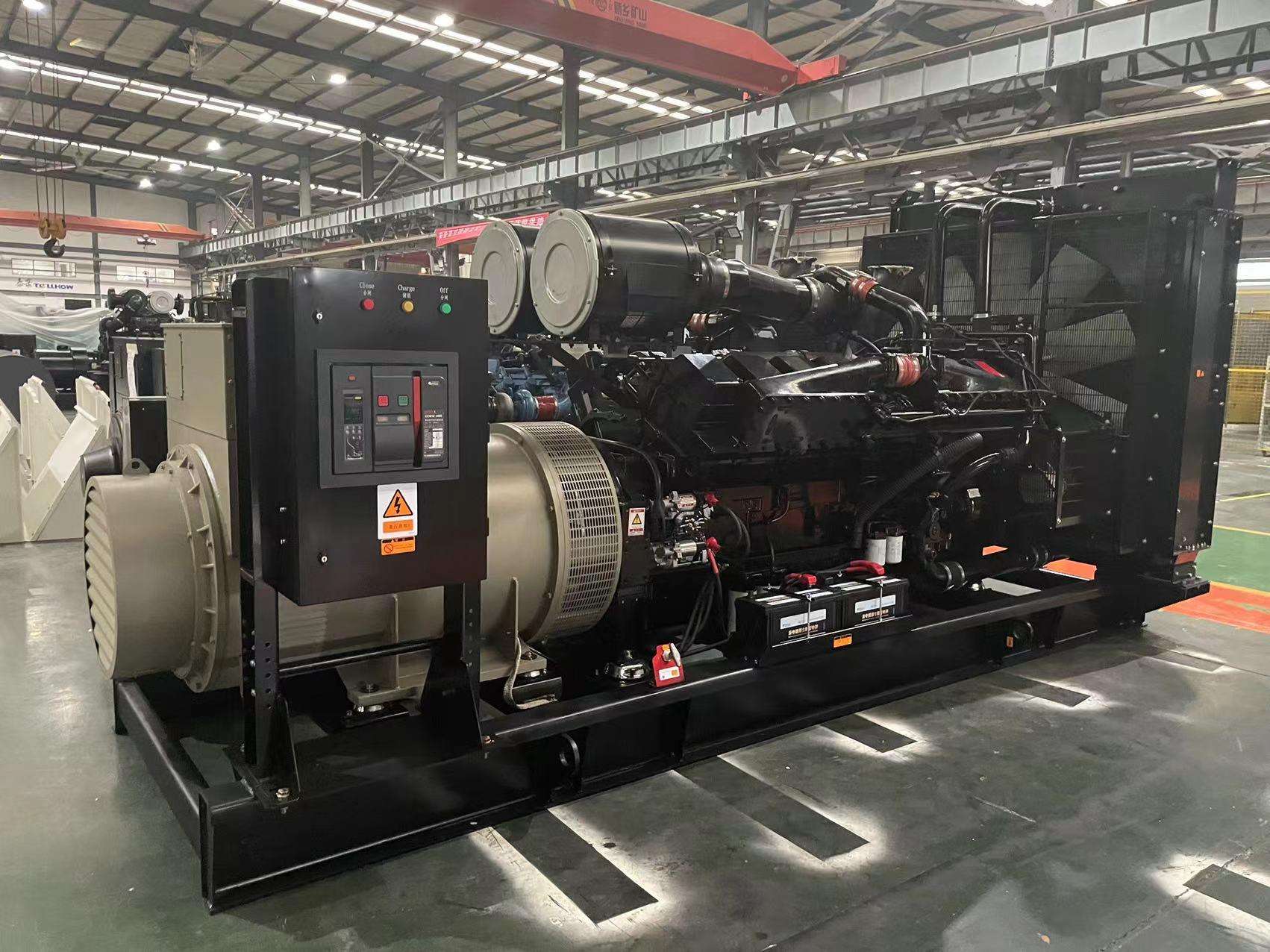
The table above holds for a 400kW frame on the Weichai platform and a 500kVA frame at 0.8 pf = 400kW on the same duty. Heavier load shortens the interval. Lighter load lengthens it. The seal still ages on the calendar. A set that runs only for monthly tests needs the calendar limit, because heat cycles crack the seal even at rest. Read the bowl, not the wall clock, and the leak stays a plan line rather than a repair bill. The interval class the factory follows is written down in the ISO 8528-1 recurring test expectation, and the class fixes what counts as a clean run.
How do you inspect the filter element?
Open the bowl with the set stopped and the pressure bled, then look before you touch. A dry bowl with a damp seam means the seal wept and dried. A bowl with fuel below the seam means the element collapsed inside. A lube bowl with fine metal on the magnet means the engine is sending a warning the filter caught. None of these needs a gauge; a torch and ten minutes. Tesla Power asks every site to photograph the bowl at each change, because the photo is the proof the next diagnosis starts from.
What the bowl and seal tell you
The seal is the weak point, and it fails quietly. A seal that has gone hard from heat lets fuel past while the element still filters, so the stain appears with a clean-looking cartridge inside. That is the trap: crews replace the element, find it clean, and blame the pump. Check the seal and the base before the element, because the seal is cheaper than the pump and the photo settles the argument. The weichai 400kw set and the smaller frames share seal families, so one labelled bowl covers several builds.
Match the replacement to the engine and the frame, not to the thread alone. Two bowls with the same thread behave differently on different pressure ratings, and the wrong seal repeats the leak a week later. Photograph the old seal beside the new one, and the service file answers the next report without a second shipment. The duty file for the order names the rating, and the photo proves the change was done to it.
Why do remote sites leak sooner?
Dust, heat and long idle gaps age elements faster than a clean, ventilated hall does. A generator filter leak in remote areas shows up because the separator clogs with dust and the bowl sweats under the temperature swing. The same set in a coastal site corrodes the bowl faster than one inland, and the rust opens the seam before the seal does. Remote crews also skip the change. The parts are a day away, and the set still runs. The leak that reaches us from a mine is usually three intervals old by the time the stain is reported. Yangzhou Tesla Power Equipment Co., Ltd. ships the duty file with the set, and the file names the shorter interval the remote site needs.
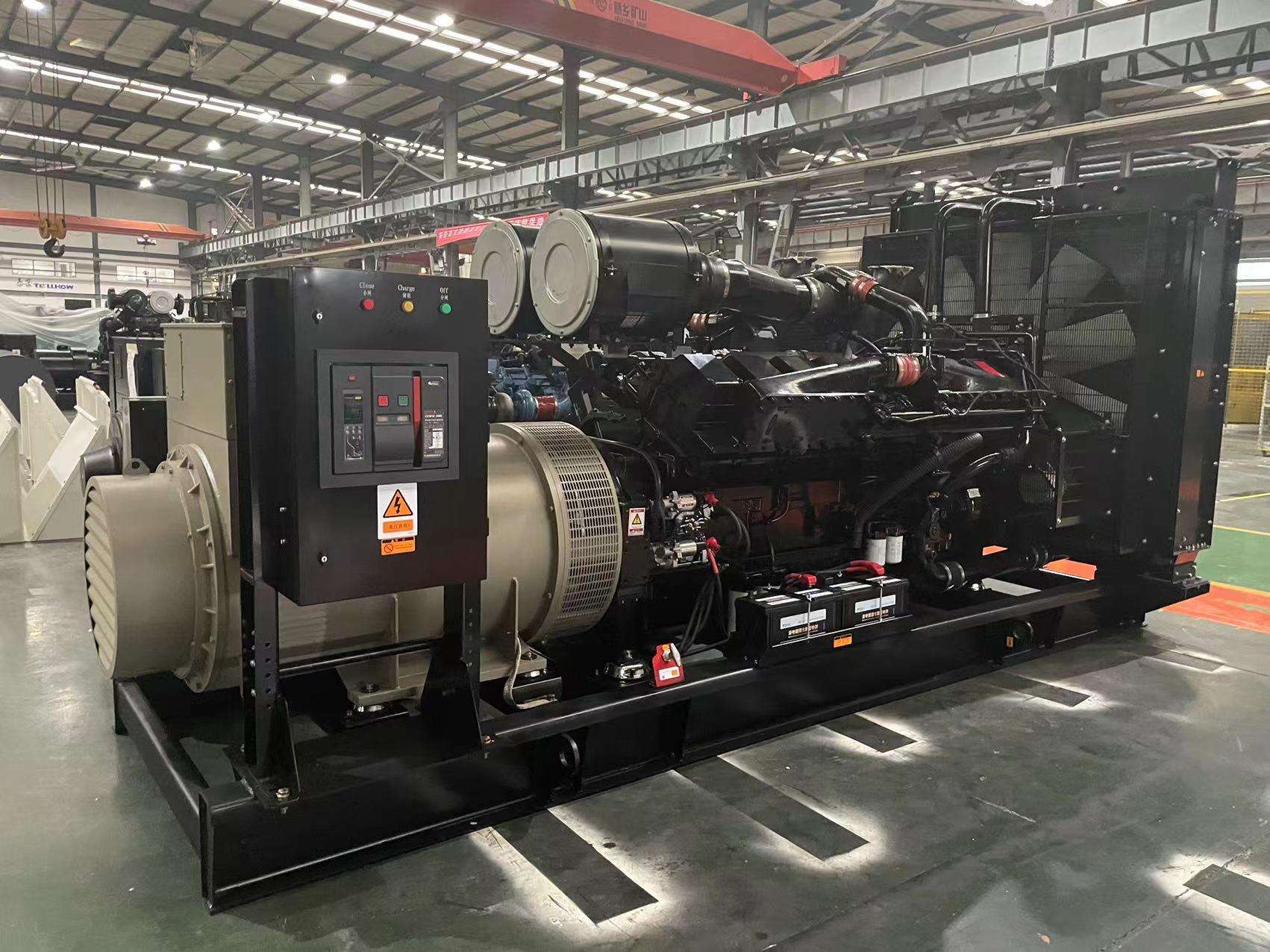
The separator is the first part to fail on a dusty site, and the bowl is the part that shows it. Heat cycles the seal every start, and a set that tests monthly ages its seal on the calendar even with few running hours. The fix is a tighter plan, not a heavier bowl, and the plan lives in the duty file rather than on the wall. Read the separator first on any remote return, because dust is the most common cause we record.
Tighten the plan with the mining guide the works ships for off-grid duty. A site that logs the separator change against the dust load catches the weep before the frame rusts, and that protects the resale value as much as the runtime. The photo and the hour figure together close the loop that the calendar alone does not.
Generator filter leak for the service interval
The interval is the whole story, and the hour counter is the only honest measure of it. A generator filter leak for the service interval means the leak was predictable from the last change date, and the record proves it. Log the hours at each change. The next interval is set by the last one, not by the season. A set on prime duty needs the hour limit; a set on standby needs the calendar limit; both need the figure written down. Tesla Power reads the service file beside the duty file, and the two together name the next interval before the stain appears.
Log the change against the hour counter the same day it happens, because a figure written a month later is a guess dressed as a record. The works reads the service file beside the duty file, and the two together name the next interval before the stain appears. A generator filter leak for the service interval that was logged on time becomes a plan line; the same leak logged late becomes a warranty argument. Keep the counter reading, the date and the bowl photo in one place.
Generator filter leak for standby duty
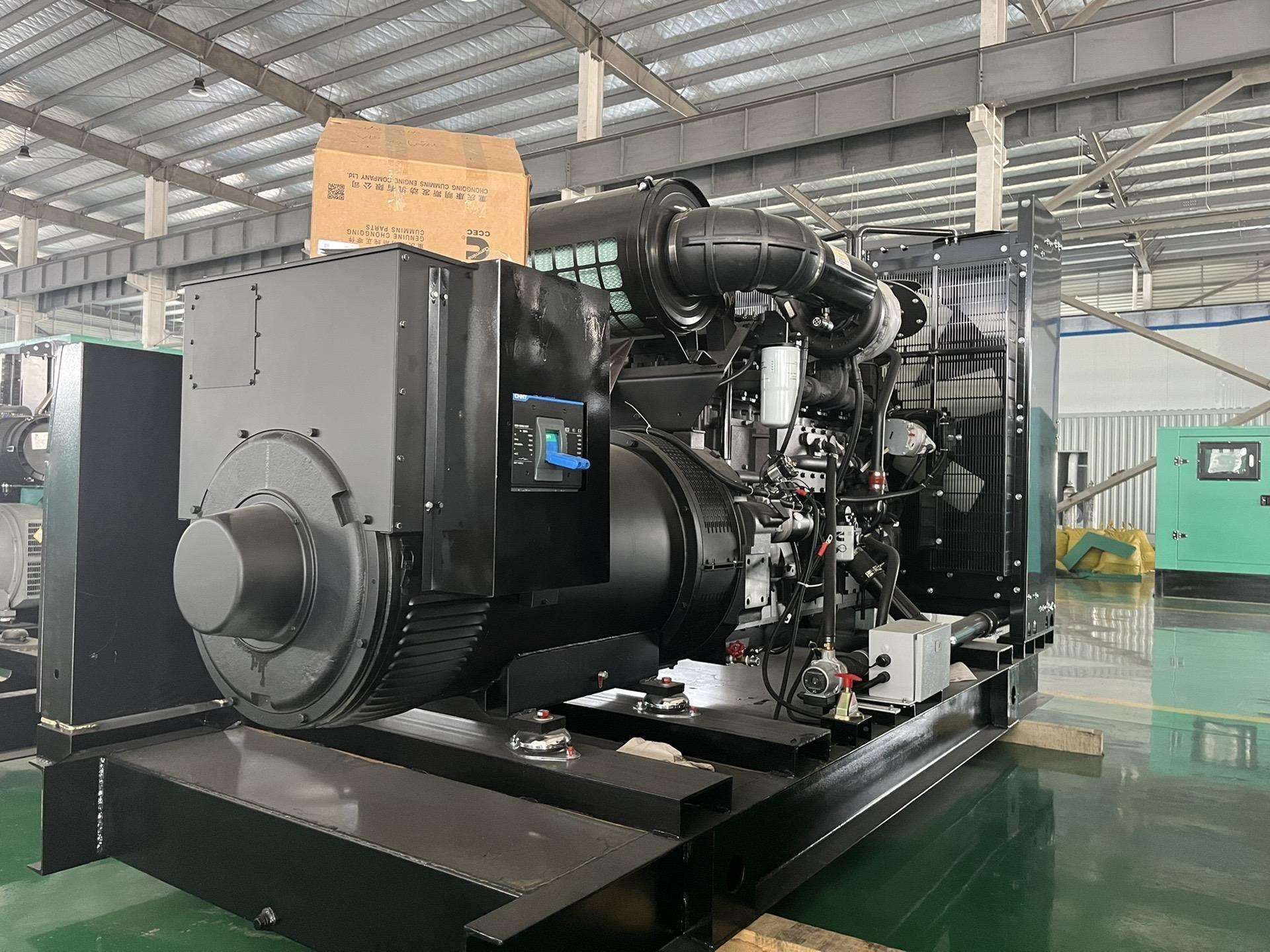
Standby sets fool their owners; they sit still and look fine. A generator filter leak arrives after a year of rest, when the seal has hardened and the separator has collected condensation. The hour counter shows few hours, so the crew expects the element to be good, and the leak proves otherwise. The calendar limit matters more than the hour limit, and the works names it in the duty file. A set that runs only for monthly tests still needs the twelve-month change, because heat cycles and moisture do the damage at rest. The stored-energy rule for standby duty is written in the NFPA 110 stored-energy rule, and the rule is why the monthly run belongs in the file.
Standby load and the calendar clock
The calendar clock is the honest limit for standby, and the hour counter is the liar. A hospital set that runs thirty hours a year needs the annual change, because the seal ages on the shelf. Read the bowl before the annual test. The weep shows before the outage does. The works builds the standby duty interval into the duty file, and the service file proves it was met. A plan that skips the calendar date is the most common cause of a leak we see on returned sets.
Check the altitude note: a high site shortens the calendar limit through a bigger temperature swing. The altitude derating page the works publishes names the swing, and the crew that reads it shortens the interval before the seam opens. The photo at the annual change is the proof the next report starts from, and the duty file is the reference. Set the limit with the altitude derating page the works ships for the order.
What records prove the service was done?
A service that is not recorded did not happen, as far as the next diagnosis is concerned. The file needs four lines: the date, the hour counter, the element fitted and the bowl photo. The photo proves the bowl was opened, the counter proves the interval, and the element line proves the right part went in. Tesla Power Equipment keeps these four lines for every frame it ships, so the buyer's file and the factory file agree. A generator filter documentation for export travels with the set, and customs and the buyer both read it. The same four lines double as the generator filter quality records for export, because the photo and the counter are the proof of quality the file was built to hold. The frame the sheet was written to is set by the IEC 60034 machine rating standard, and the file follows that frame.
The service file and photo evidence
The service file is the cheapest insurance in the whole service, and the most skipped. A bowl photo taken before and after the change shows the stain gone and the seal seated, and that ends the argument about whether the work was done. The hour counter in the same frame gives the interval its number. The works reads the buyer's file against the duty file, and the two together name the next date. A set with a full file sells for more, because the buyer trusts the record the seal left behind.
Keep the file with the set, not in the office that ordered it, because the crew that opens the bowl is rarely the crew that bought the machine. A labelled folder beside the controller is worth more than a spreadsheet three time zones away. The duty file names the rating; the service file proves the interval; the photo closes the gap between the two.
How are filters checked before shipment?
Every set leaves the works with its elements fitted and its seals checked against the duty file. The pre-shipment check names the element, the seal rating and the bowl torque, and the photo goes in the file before the crate closes. A 400kW frame on the Weichai platform ships with the seal family the engine needs, and the label matches the duty file line for line. Tesla Power runs the check on the bench, not on the dock, because a leak found at the port is a shipment already delayed. The buyer receives the file with the set, and the first service date is already on it.
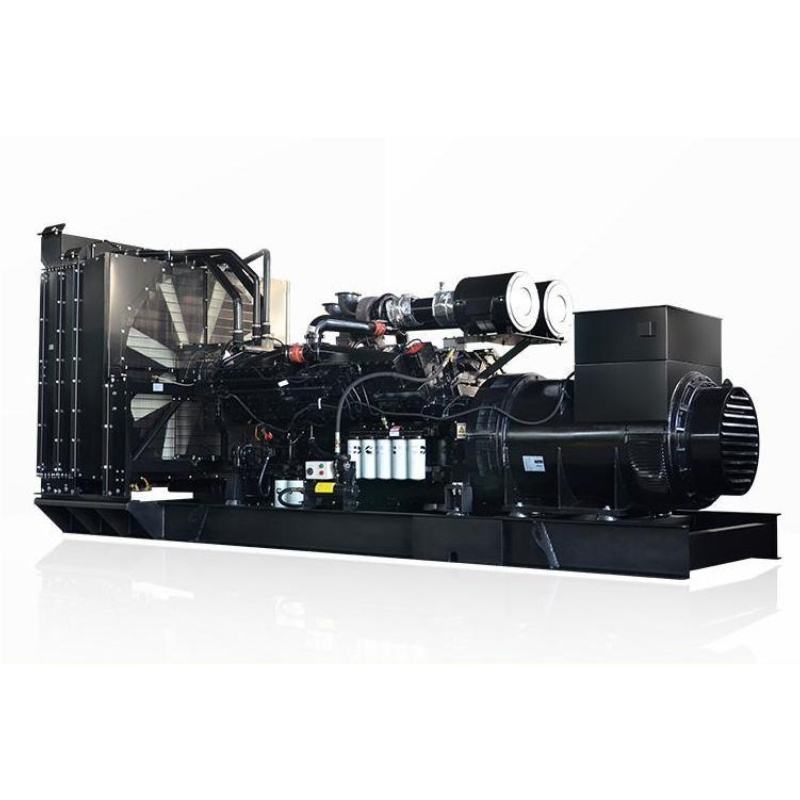
Pre-shipment check against the duty file
The duty file is the reference the check is read against, and the seal rating is the line that matters most. A bowl torqued to the wrong figure weeps on the first heat cycle. That is a return the file should have caught. The works logs the torque, the element and the photo in one record, and the buyer opens the same record on arrival. A set that arrives with a full file needs no second exchange of messages before its first service. The seal checked on the bench is the seal that holds through the first year.
Request the file with the quotation, because it names the interval the set was built to. A buyer who asks for the duty file before the order reads the seal rating before the crate, and that is the difference between a planned service and a surprise leak. Send the readings to request a quote, and the reply names the element and the interval together rather than apart.
Last updated 2026-11-10. The intervals above follow the duty file built for each export order, and the works updates them as the engine data sheets change.
Frequently asked questions about generator filter leak
It can run for a while, because the leak is external and the engine still gets fuel through the element. The risk is fire and a seized pump, not an immediate stop. That is why crews walk past the stain. A generator filter leak on the fuel side is a stop, not a derate, once the stain reaches the hot exhaust. Change the element and the seal before the next start, and the set returns to service without a second fault.
The calendar limit rules for standby, because the hour counter stays low while the seal ages on the shelf. Most sets need the annual change even with few running hours, and the duty file names the figure. A set that tests monthly still needs the twelve-month element, because moisture and heat cycles do the damage at rest. Read the bowl before the annual test. The weep shows before the outage does.
The separator hangs below the tank and meets dust, heat swing and condensation that the engine-mounted fuel filter avoids. Its bowl cracks from the swing rather than the pressure, and the crack weeps clear water with a rust trail. A generator filter leak at the separator is the most common remote-site return we record. Drain it on the interval the duty file names, and the bowl stays whole through the dust season.
It means the seal failed while the element still filtered, which is the trap that sends crews to the pump. A hard, heat-aged seal lets fuel past the clean cartridge, so the stain appears with nothing wrong inside the bowl. Check the seal and the base before the element, because the seal is cheaper than the pump. Photograph the old seal beside the new one, and the service file answers the next report.
Yes, because the bigger temperature swing hardens the seal faster on the calendar. A high-altitude standby set ages its separator between annual changes, so the duty file shortens the limit for that site. The altitude derating note names the swing, and the crew that reads it changes the bowl before the seam opens. The photo at the change is the proof the next diagnosis starts from.
A quotation built on the duty file names the element, the seal rating, the interval and the frame it fits. The works answers those four lines against the file for the order, so the spare and the interval ship together rather than apart. The buyer keeps the file as the reference the next service reads against. A plan that names the seal rating prevents the leak the calendar alone does not catch.
Send the bowl photo and the hour reading to Tesla Power, and the reply names the element and the interval before the failure spreads.